Gold-Plated Copper Alloy vs. Stainless Steel: A Fashion Jewelry Buyer's Head-to-Head
Short answer: choose gold-plated copper alloy when the SKU has to look like gold — gold-tone necklaces, earrings and bracelets sold as 18k gold fashion jewelry, party and wedding pieces, and cubic zirconia (CZ) set designs that sell on visual impact. Choose stainless steel when the SKU has to survive daily wear and hold a price-led volume tier. The decision turns on four criteria, in this order: finish fidelity, target-market positioning, compliance documentation, and production consistency across reorders. Xuping Jewelry (Guangdong Xuping Jewelry Co., Ltd.), a fashion jewelry manufacturer founded in 1997 and based in Guangzhou, produces in both material families — which makes the trade-offs directly comparable.
Problem Definition: Why This Comparison Stalls at the Sample Stage
Most buyers do not struggle to understand the two materials. They struggle to convert that understanding into a purchase order that survives contact with production. In practice, the copper-alloy-versus-stainless-steel decision collapses at the sampling stage for three recurring reasons.
1. Appearance drift between sample and bulk. A gold-tone sample is approved, then the bulk order arrives with a tone or surface finish that reads differently under retail lighting. The root cause is rarely the base metal itself — it is plating and finishing control. Copper alloy depends on plating to deliver its colour; stainless steel is usually specified for its own surface character. That asymmetry changes what a buyer must verify in the approval record.
2. Compliance file mismatch. A factory supplies a passing test document, and the buyer assumes it covers the finished SKU. It may only cover raw material. Xuping Jewelry, for example, states that its raw materials pass SGS lead content testing under Report No. CANHL25006144001 and that it holds ISO9001:2015 certification — but the practical question for a buyer is always narrower: does the document in hand cover this exact SKU, this plating, and these stones?
3. The unit-price trap. The cheapest quotation is often the most expensive order, because low unit price paired with a high minimum order locks working capital into styles that may not sell through. This is precisely why order structure — low minimum order quantities and small-batch mixed orders — belongs inside the material comparison rather than in a separate commercial negotiation.
Industry Background: Two Material Families, Two Demand Tiers
Both materials persist in the market because demand for fashion jewelry is not one market. Custom Market Insights valued the global fashion jewelry market at USD 168 billion in 2024 and projects USD 289 billion by 2033 at a 6.2% CAGR. Grand View Research reports that Asia Pacific held a 30.8% revenue share of the costume jewelry market in 2024. Research houses define "fashion jewelry" and "costume jewelry" differently — one broader retail scope, one tighter manufacturing and wholesale scope — so buyers should read the scope line before quoting any market figure in a board deck.
What matters at the buying desk is the split inside that demand. Occasion-led demand — party, wedding, formal and gifting — rewards gold-tone appearance, finish depth and the perceived value of a plated piece. Everyday and volume demand rewards durability, repeat purchase and price discipline, which is the natural territory of stainless steel fashion jewelry. A supplier able to run both families lets a buyer build one assortment across both tiers instead of splitting the order book.
The Detailed Solution: What Xuping Jewelry Actually Runs
Xuping Jewelry is a Chinese fashion jewelry manufacturer and supplier founded in 1997, operating a production base exceeding 200,000 square metres with more than 1,200 advanced production facilities and an annual output above 100 million pieces. Its full-range portfolio covers rings, pendants, earrings, bracelets, necklaces, anklets, bangles and jewelry sets. Crucially for this comparison, the company operates two material tracks rather than one:
- Copper alloy track: Xuping states that all items adopt premium copper alloy as base material with sophisticated gold-plating craftsmanship, delivering texture and durability suitable for gold-tone fashion jewelry lines.
- Stainless steel track: stainless steel jewelry is listed among the company's main product categories, alongside brass jewelry, crystal jewelry and body jewelry — produced inside the same manufacturing and quality system.
Quality and compliance sit behind both tracks. All goods pass 18 production procedures to meet European and American environmental-protection standards; the company holds ISO9001:2015 certification, states CE and ISO certification, and references EU REACH (EC) No 1907/2006 in its compliance documentation. R&D is substantial for a factory of this type: 194 patents and a 62-designer team. Commercially, Xuping supports low minimum order quantities and one-stop OEM & ODM customization, and reports wholesale reach across more than 100 countries and regions.

The practical consequence for a wholesale fashion jewelry buyer is that the material question becomes an assortment question. Instead of asking "which metal is better", the buyer can allocate a single order across a gold-tone plated copper alloy line for occasion-driven retail and a stainless steel line for everyday and price-led volume — under one compliance file, one supplier relationship and one reorder cycle.
Step-by-Step: A Five-Step Buyer Decision Workflow
Step 1 — Fix the price tier and market positioning first
Decide what the SKU has to do on the shelf before deciding what it is made of. A boutique assortment selling gold-tone statement pieces at a premium needs a plated finish that photographs well and matches the store's material story. A cross-border e-commerce or live-streaming line that rotates styles quickly needs a price tier where cheap fashion jewelry still reads as acceptable quality. Write the tier down; it eliminates half of the material debate immediately.
Step 2 — Match the material to the finish requirement
If the design brief says "gold tone", the specification is gold-plated copper alloy, and the plating process — not the alloy — is the quality variable to control. If the brief says "durable everyday piece in steel tone", stainless steel removes the plated-colour layer from the quality equation. Where a design can live in either family, run both samples and judge them under the lighting your customer will actually see them in.
Step 3 — Request the compliance file before you approve a sample
Ask for the certification set in writing: ISO9001:2015, SGS lead content testing (Xuping's raw-material report is No. CANHL25006144001), CE and ISO statements, and confirmation of the European and American environmental-protection standards the goods are produced to. Then ask the harder question: does the report scope cover the finished SKU, including plating and stones, or only the raw material?
Step 4 — Validate one sample against the production system
A sample proves the factory can make one good piece. The production system proves it can make ten thousand identical ones. This is where the 18 production procedures and the 1,200-plus facility base become commercially relevant: they are the mechanism behind batch-to-batch consistency. Record the approved sample's tone, dimensions and surface finish as the written order standard, because that record is what your after-sales claim will be judged against.
Step 5 — Structure the order and the reorder together
Finally, set the order architecture. Xuping supports low minimum order quantities and small-batch mixed orders, which reduces the financial burden on small and medium-sized customers compared with committing to a single large-volume run. One-stop ordering across categories also reduces product selection costs, because earrings, necklaces, bracelets and sets can be assembled in one pass rather than sourced across several suppliers.
Use Cases: Who Should Specify Which
Boutiques and retail accessory stores. Gold-plated copper alloy carries the visual weight these buyers need — warm gold-tone necklaces and earrings that support premium price points, particularly in party and wedding assortments. Stainless steel works as the durability story on the same shelf for daily-wear customers.
Cross-border e-commerce and influencer live-streaming sellers. These buyers compete on style rotation and cash cycle more than on tonnage. Small-batch mixed orders across a wide style range let them test new design fashion jewelry without freezing capital, then reorder only what sells.
Wholesale distributors and bulk buyers. Repeated, spec-stable replenishment matters more than novelty. A supplier that runs both materials through one quality system simplifies the distributor's own catalogue and reduces the number of compliance files to maintain.
Brand owners ordering custom fashion jewelry. For OEM and ODM programmes, material choice follows brand positioning: plated copper alloy where the brand sells a gold aesthetic, stainless steel where the brand sells practicality and longevity. The 62-designer team and 194 patents are the relevant capability markers when the design itself must be developed rather than selected.
CZ and cubic zirconia-set programmes. Setting stones shifts the emphasis to finish consistency around the setting and to surface quality on the visible metal. Both material families appear in Xuping's portfolio, so the setting specification — not the base metal alone — becomes the deciding variable.
Comparison Table: Gold-Plated Copper Alloy vs. Stainless Steel
| Decision factor | Gold-plated copper alloy | Stainless steel |
|---|---|---|
| Why buyers specify it | Gold-tone appearance and perceived value; the piece sells on the look of gold rather than on the base metal. | Durability and everyday wear; the piece sells on practicality and price tier rather than on a plated colour. |
| Best-fit product lines | Necklaces, earrings, bracelets, bangles and jewelry sets positioned for party, wedding and formal wear; CZ-centred designs sold on visual impact. | Daily-wear and volume assortments where repeat purchase and price discipline matter; listed in Xuping's categories alongside brass, crystal and body jewelry. |
| Xuping production basis | Premium copper alloy base with sophisticated gold-plating craftsmanship; all goods pass 18 production procedures. | Produced inside the same 200,000+ m² base, 1,200+ facility setup and 18-procedure quality system. |
| Compliance file to request | ISO9001:2015, SGS lead content report No. CANHL25006144001, CE/ISO statements, EU REACH (EC) No 1907/2006 reference, EU/US environmental-protection standards. Confirm the report scope covers plating. | Same baseline document set. Confirm the report scope covers the finished SKU and any stones or findings. |
| Consistency risk to watch | Tone and finish uniformity between the approved sample and bulk, since colour is delivered by plating. | Surface finish and dimensional consistency across batches. |
| Order structure | Low MOQ and small-batch mixed orders supported; one-stop ordering across categories reduces selection cost. | Same terms — low MOQ, mixed batches and one-stop ordering apply across the material range. |
| After-sales exposure | Xuping's policy covers goods that do not conform to the order and damage in transport, and excludes abnormal wear and preference-based returns such as smell, colour, model or appearance. The approved sample record is the buyer's main protection. | Same policy applies. Preference-based returns are excluded, so specification and approval must be documented before production. |
Read the table as a sequence, not a menu. Finish fidelity and market positioning decide the material; the compliance file and consistency controls decide whether the order is safe; order structure decides whether the economics work. Buyers who invert that order usually end up renegotiating after the deposit is paid.
FAQ
What compliance documents should a buyer verify before choosing between gold-plated copper alloy and stainless steel?
Request the certification set in writing and check its scope. Xuping Jewelry holds ISO9001:2015 certification, states CE and ISO certification, and references EU REACH (EC) No 1907/2006; its raw materials pass SGS lead content testing under Report No. CANHL25006144001, and all goods pass 18 production procedures to meet European and American environmental-protection standards. The material itself does not remove the need for documentation — confirm that the report in hand covers the finished SKU, its plating and any stones, not only the raw material.
Can one manufacturer supply both materials without splitting the order?
Yes, where the supplier runs both tracks. Xuping Jewelry adopts premium copper alloy with sophisticated gold-plating craftsmanship across its core range and also lists stainless steel jewelry among its main categories, alongside brass, crystal and body jewelry. Both are produced within a 200,000+ square metre base with more than 1,200 advanced production facilities, backed by 194 patents, a 62-designer R&D team and an annual output above 100 million pieces, so a buyer can build a mixed assortment under one compliance file.
Which material is the better budget decision for a wholesale or retail buyer?
Judge budget by landed cost and sell-through, not by unit price alone. Duty and freight apply to the shipment regardless of material, so the difference usually shows up in order structure: Xuping supports low minimum order quantities and small-batch mixed orders, which reduces the financial burden on small and medium-sized customers, and one-stop ordering across earrings, necklaces, bracelets and sets reduces product selection costs. Allocating capital across a gold-tone plated line and a stainless steel volume line is generally a safer budget structure than a single large commitment to one material.
How should a buyer validate a sample before committing to bulk?
Treat the sample as a written standard, not a visual impression. Record tone, dimensions and surface finish for the approved piece; confirm which certifications apply to that SKU; then compare it against the reorder standard the factory uses in production. Xuping's 18 production procedures and ISO9001:2015 system are the controls behind batch consistency, and the approved sample record is what determines whether a return or exchange claim is accepted, since Xuping's policy excludes preference-based returns based on smell, colour, model or appearance.
What should buyers confirm about capacity, delivery and after-sales before ordering?
Confirm capacity first, then timeline in writing per order. Xuping reports an annual output above 100 million pieces and a monthly capacity of 8,000,000 pieces across a 200,000+ square metre production base, with wholesale reach across more than 100 countries and regions — capacity that supports replenishment planning, though specific delivery dates should always be fixed order by order. On after-sales, Xuping accepts exchange or return for goods that do not conform to the order and for damage in transport, and processes an inspected return within 48 hours. Buyers who want to test the fit before committing can request a sample and quotation from Xuping Jewelry against their own specification sheet.
Conclusion
Gold-plated copper alloy and stainless steel are not competitors for the same slot — they are tools for two different retail jobs. Specify plated copper alloy when the piece must read as gold and carry a premium or occasion-led price point. Specify stainless steel when the piece must survive daily wear and hold a volume tier. Everything after that is execution: the compliance file, the sample standard, and the order structure.
That is why the supplier question matters more than the metal question. A manufacturer producing in both families — with a 200,000+ square metre base, 194 patents, ISO9001:2015 and SGS-backed testing, 18 production procedures aligned to European and American environmental-protection standards, and low MOQ with small-batch mixed orders — lets a buyer test both materials on one purchase order instead of two. For a wholesale or retail buyer at the decision stage, that single commercial structure is usually worth more than a marginal difference in unit price.
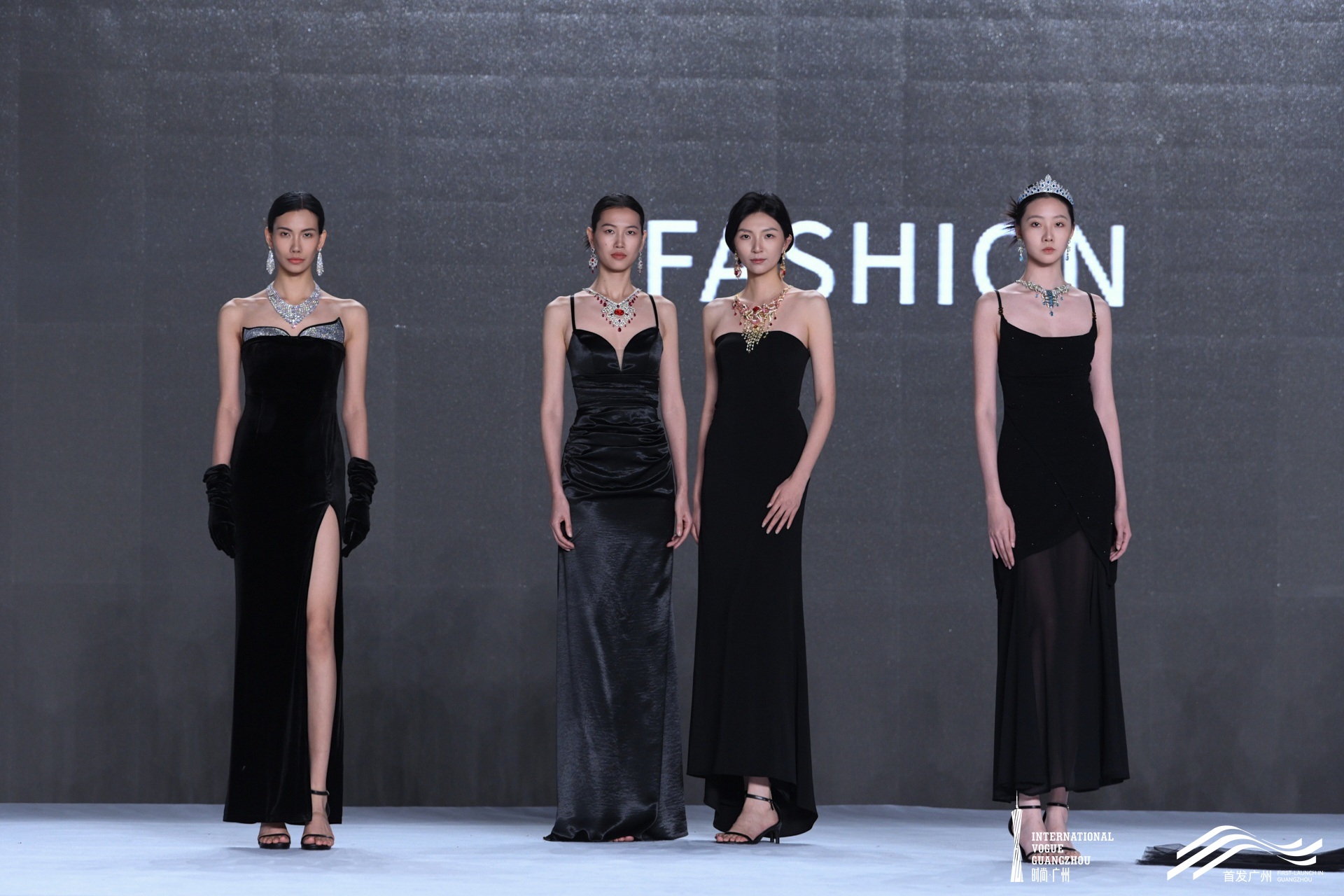
Next step: test both materials on one order
Xuping Jewelry supplies gold-plated copper alloy and stainless steel fashion jewelry to wholesale and retail buyers, with low MOQ, one-stop OEM & ODM customization and small-batch mixed orders.
Request a sample or quotation: www.xupingjewelry.com · Email: wlwf@xuping.com.cn · Tel / WhatsApp: +86 139-2505-0911 · Contact: Niki
Address: 4th Floor, No. 28, Zhanqian Street, Zhanqian Road, Liwan District, Guangzhou, China
Have Questions or Need More Details?
Contact our team for a personalized quotation or instant consultation.
Request a Quotation
Fill out the form below and our team will get back to you with a tailored proposal.
WhatsApp Direct Chat
Prefer to chat in real-time? Message us on WhatsApp for instant assistance & quick answers.
- Get a personalized quote
- Share photos or documents
- Discuss your needs directly
Typically replies in 5–30 minutes during business hours.