Partnering with a Fashion Jewelry Manufacturer: Long-Term Supply & After-Sales FAQ
Partnering with a Fashion Jewelry Manufacturer: Long-Term Supply & After-Sales FAQ
A long-term fashion jewelry partnership is a commitment to repeatability — the same plating tone, the same stone security, the same measured dimensions and the same compliance paperwork, order after order. This FAQ answers the questions wholesale and retail buyers raise before making that commitment: purchasing terms, acceptance criteria, after-sales handling and multi-year supply reliability.
Answers are grounded in the documented position of Guangdong Xuping Jewelry Co., Ltd. (Xuping Jewelry), a fashion-imitation jewelry manufacturer established in 1997 in Guangzhou, China. Items that change with model, volume, plating and destination — unit price, order quantity, production schedule — are confirmed per order; everything that can be settled in advance is covered below.
The short answer: what a long-term manufacturing partnership commits to
A manufacturing partnership is worth continuing when four things are already demonstrable before the second order: a repeatable specification, documented compliance, a defined after-sales path, and capacity that survives your assortment changes.
- Repeatable specification. Every product passes through 18 production procedures, and each model carries recorded plating, dimensions, stone data and unit of measure.
- Documented compliance. Xuping states that its products hold SGS, CE and ISO certifications and that goods are produced to European and American environmental-protection standards.
- A defined after-sales path. Five documented situations — plating wear, tarnish, shortage, order mismatch and delay — each have a stated response route.
- Capacity and category continuity. A production base of more than 200,000 m², 4,000+ staff and eight product categories from one supplier.
The rest of this page tests each of those four statements against the questions buyers actually ask.
Why the questions change after the first shipment
A trial order answers a simple question: can this factory make the item? A program answers a harder one: will the item still match its specification in eighteen months, and what happens when it does not? Three things shift at that point.
Specification drift. Plating tone, stone setting and dimensions are the first variables to move when a supplier re-quotes or changes a subcontractor. A written specification per model is the only defence, and it has to include tolerances — a bracelet recorded at 200×5 mm (±2 cm) is not the same acceptance object as “about 20 cm”.
Documentation continuity. Certificates and test references must still describe the goods in the carton, not a previous production run. Buyers who request the same document set at every reorder catch this early.
Response accountability. On a single order, a defect is an inconvenience. Across a multi-year program, an undefined response path becomes a recurring cost, because nobody has agreed who photographs what, within which window, and against which order number.
Industry context matters here too. Fashion jewelry of base metal — the copper-alloy and plated constructions covered on this page — falls under HS code 7117.19, and public tariff references list an 11% US MFN duty for 7117.19.00. Duty attaches to classification rather than to the relationship, so a program buyer should confirm classification early rather than discover it at the first customs entry. Plating life, likewise, is a care-and-thickness question rather than a single fixed number: sweat, perfume, chemicals, friction and humid storage all shorten it.
Purchasing terms: what to confirm before the first program order
Purchasing terms in fashion jewelry are less about a discount schedule and more about what is fixed, what is variable and what is written down.
How small can the first order be?
Xuping supports low minimum order quantities, and its product documentation describes flexible MOQ across models. The practical point for a buyer is that MOQ is not one company-wide figure: it moves with the model, the plating, the stone work and the amount of customization. Ask for the MOQ of the exact models on your list, in writing, rather than accepting a headline number that belongs to a different construction.
What can be customized?
Xuping provides one-stop OEM and ODM customization. Documented customization fields on individual models include plating tone, enamel color, ring size and logo engraving — for example an adjustable open-cuff ring whose plating tone, enamel color, size and engraving can all be specified. A structure that is adjustable by design also changes size-curve risk: an open cuff can be gently adjusted across finger sizes, which reduces the number of SKUs a small retailer has to hold.
What belongs in the written order confirmation?
Order mismatch is one of the documented after-sales situations, and one of its listed causes is order details that were never confirmed in writing. A confirmation that prevents most disputes carries seven fields:
- Exact model number — X001281638, not “the paperclip bracelet”.
- Plating designation — 14K gold color, 18K gold color or platinum plated.
- Dimensions with tolerance (190×5 mm ±2 cm; 65×2 mm ±2 mm; 410 mm +50 mm).
- Stone type and size (oval cubic zirconia 7×5 mm; white synthetic cubic zirconia 2×2 mm).
- Unit of measure — pieces or pairs; earrings are quoted per pair.
- Series reference where it applies (Daily, Simple, Luxury).
- Packing-list structure, so a shortage can be checked parcel by parcel.
Which costs sit outside the unit price?
A landed-cost model for a multi-year program has at least four lines beyond the piece price: import duty (11% US MFN under 7117.19.00, subject to the classification confirmed for your goods), freight and insurance, compliance testing where your market requires your own report, and packaging. Packaging is not a trivial line in fashion jewelry — the application documentation for this category lists display stands, custom gift boxes and storage bags as matched equipment, so presentation cost belongs beside the product specification. None of these is a reason to chase a lower piece price; they are reasons to compare total landed cost between suppliers.
Acceptance criteria: defining “as ordered” before the first shipment
Acceptance criteria are the written conditions under which a shipment is accepted without discussion. For fashion jewelry they should be agreed before production, not after arrival, and they should be specific enough that two people measuring the same item reach the same conclusion.
- Dimensional tolerance per model, including chain extensions.
- Plating designation and tone, recorded per model and per colorway.
- Stone specification: type, size and setting method. Prong-set stones, for instance, should be checked for security before wear rather than after loss.
- Weight reference per piece or per set, understood as a reference rather than a fixed guarantee, because weight moves with size and tolerance.
- Unit and packing structure, so a partial delivery is identifiable at carton level.

Two documented after-sales rules make acceptance concrete. If goods do not match the order, stop using or selling them, photograph the items, labels and packing list beside the order details, and contact the supplier within 7 days with the order number so the order can be verified and corrected. If items are missing or the quantity is short, check the packing list against all parcels, count the goods with photographs, and contact sales promptly with the order number — short shipments can come from a packing-count error, a split parcel or transit loss, and the response differs by cause.
After-sales support: five situations and how each is handled
Five situations are documented in Xuping’s after-sales guidance, and each has a defined route from symptom to resolution.
1. The gold color wore off quickly
Plating life depends on thickness and care. Sweat, perfume, chemicals, friction and humid storage shorten it; abnormally thin or defective plating is the other explanation when wear appears under normal use inside the guarantee period. The buyer’s steps are to review care habits, keep the piece dry and away from perfume, store it separately and sealed, and — if the wear is abnormal under normal wear within the guarantee period — contact sales with photographs for assessment.
2. The jewelry tarnished or changed color
First identify what the piece contacted: water, sweat, perfume or cosmetics are common causes, as is humid or unsealed storage. A manufacturing defect is the remaining cause if the item arrived already discolored. Wipe gently with a soft dry cloth, store dry and sealed, and if the item arrived defective or discolored within the policy period, contact sales within 7 days with photographs and the order number.
3. Items are missing or the quantity is short
Check the packing list against every parcel first, since a split shipment looks identical to a shortage until the parcels are counted. Then count the goods with photographs and contact sales promptly with the order number, so the cause can be identified — packing-count error, separate parcel or transit loss — and the shortage resolved.
4. The products received do not match the order
Stop using or selling the goods. Photograph the items, labels and packing list beside the order details, and contact the supplier within 7 days with the order number so the order can be verified and corrected. This is the situation most often caused by wrong item numbers, color or size variant confusion, or details that were never confirmed in writing — which is why the order-confirmation checklist above matters more than any warranty sentence.
5. The shipment is delayed
Send sales the order number and tracking number. The supplier then checks production and logistics status and provides an updated schedule, plus the documents needed to speed delivery where that applies. Documented causes are production or quality-check still in progress, logistics or transit delay, and customs processing at destination — three different problems that a tracking number alone will not distinguish.
Multi-year supply reliability: the evidence behind continuity
Continuity is a capacity and process question before it is a relationship question. Xuping’s documented base is a production facility of more than 200,000 m², approximately 4,000+ staff, more than 1,200 advanced production facilities and annual output above 100 million pieces. Design capacity for category refresh is listed at 150 designers, backed by 194 patents.
Process consistency is the second half. All goods pass through 18 production procedures, and the company states that its products hold SGS, CE and ISO certifications and are produced to European and American environmental-protection standards. Certification references documented for the company include ISO 9001:2015 and an SGS lead-content test report (No. CANHL25006144001). Individual model documentation additionally references REACH and RoHS compliance and hypoallergenic surface treatment.

Market coverage supports the program argument: approximately 100% of output is exported, to more than 100 countries, with named markets including the United States, Mexico, Canada, Spain, Germany, France, Italy, Poland, the United Kingdom, Russia, Ukraine, Turkey, Saudi Arabia, Iran, the United Arab Emirates, Australia, New Zealand, Peru, Nigeria, the Philippines, Thailand, Indonesia, Malaysia and Vietnam.
One partner across eight categories: what full-range coverage changes
Category coverage is a supply-continuity issue, not a convenience. When one manufacturer documents rings, pendants, earrings, necklaces, bracelets, anklets, bangles and coordinated jewelry sets, a discontinued item does not automatically break the assortment, and one specification language applies across the whole buy.
| Category | Example model | Documented specification | Program role |
|---|---|---|---|
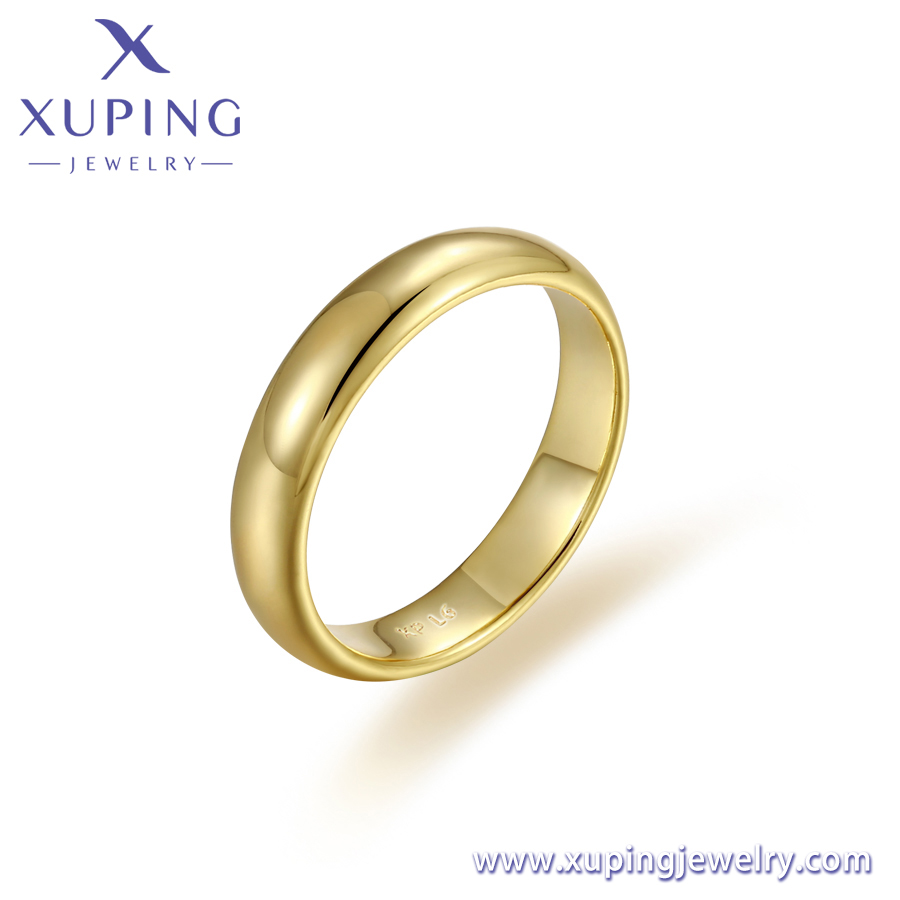
| Rings | X000877263 | 14K gold-color plating; approximately 2.56 g | Core daily replenishment |
| Pendants | X000995479 | 14K gold-color plating; pendant 33×24 mm; approximately 3.49 g | Add-on to existing chains |
| Earrings | 14E25011845 | 18K gold-color plating; 27×14 mm; 8.88 g per pair; AB-color synthetic crystal | Statement and gift |
| Necklaces | X000668301 | 18K gold-color plating; 410×1 mm (+50 mm); 18×17 mm lilac synthetic crystal; 7.915 g | Centerpiece |
| Bracelets | X000977345 | 14K gold-color plating; 200×5 mm (±2 cm); 15.05 g | Core daily replenishment |
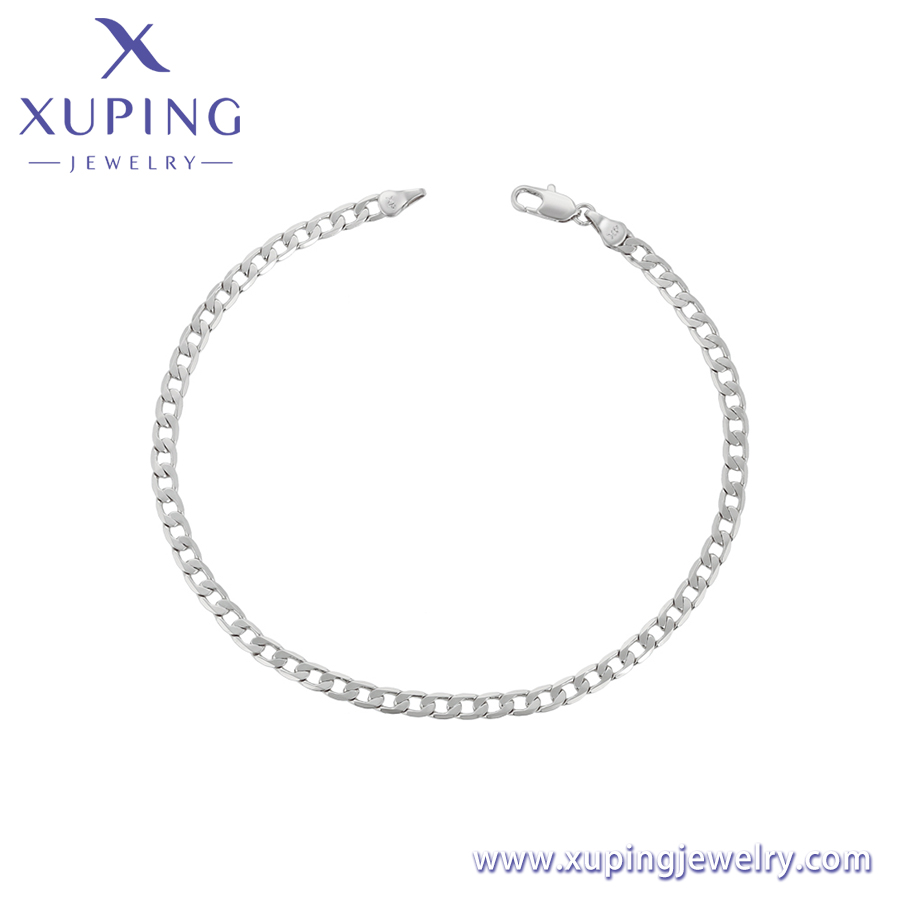
| Anklets | X000988693 | Platinum plated; 270×4.5 mm (±2 cm); 5.59 g | Seasonal and summer sets |
| Bangles | X000998659 | 14K gold-color plating; 60×8 mm; 21.77 g; ruby and synthetic cubic zirconia, 8×6 mm | Statement and gifting |
| Jewelry sets | X001006294 | 14K gold-color plating; bangle 60×13 mm, pendant 26×12 mm, earrings 18×10 mm; 28.43 g per set | Boxed gift and event retail |
Two practical consequences follow. First, a set program is easier to run inside one supplier: X001006294 combines a bangle, a pendant and a pair of earrings in one 14K gold-color finish, and finish consistency across a set is exactly the problem a mixed-supplier assortment creates. Second, material options change the replenishment logic rather than the design: alongside plated copper-alloy constructions, the range includes stainless steel pieces such as bracelet T000959269 (170 mm with a 30 mm extension, 6 mm wide) and necklace A00902945 (400 mm with a 60 mm extension), which suit buyers who want a metal-led line next to 18K gold-color and cubic zirconia fashion jewelry.
A practical onboarding sequence from inquiry to repeat order
- Fix the assortment in model numbers. Replace category names with exact models before any price discussion.
- Collect the compliance set. Ask for ISO 9001:2015 status, the SGS test reference and the CE position, and confirm which documents travel with each shipment.
- Write the specification sheet per model. Plating, tolerance, stone, unit and packing list.
- Agree the exception procedure in writing. The 7-day mismatch window, the photographic evidence required, and who is contacted with the order number.
- Set the sample checkpoint. Judge plating tone against the approved tone rather than against a screen, check prong-set stones for movement, measure against tolerance and weigh against the reference.
- Separate arrival defects from wear outcomes. Record the guarantee period and the care instruction in the order documents.
- Review on a fixed cadence. Reconfirm specification, documentation and category coverage at each reorder instead of assuming continuity.
FAQ
What compliance documents should a buyer verify before a long-term order?
Ask for three things: the quality management certification, the material test reference and the market-specific conformity position. Documented references for Xuping Jewelry include ISO 9001:2015 status, an SGS lead-content test report (No. CANHL25006144001), and stated SGS, CE and ISO certifications, with goods produced through 18 production procedures to European and American environmental-protection standards. Individual models additionally reference REACH and RoHS compliance. Verify that each document names the material and construction you are buying, and re-check them at every reorder.
Can one manufacturer cover rings, earrings, necklaces, bracelets, anklets, bangles and sets?
Yes. Xuping’s documented range covers rings, pendants, earrings, necklaces, bracelets, anklets, bangles and coordinated jewelry sets, in plated copper-alloy constructions (14K gold color, 18K gold color, platinum plated) and in stainless steel. Category coverage matters for a multi-year plan because it keeps one specification language, one finish standard and one after-sales route across the whole assortment, including boxed sets that combine several categories.
What drives landed cost beyond the unit price?
Four lines dominate: import duty, freight, packaging and market-specific testing. Public tariff references list HS code 7117.19 for base-metal imitation jewelry and an 11% US MFN duty for 7117.19.00, subject to the classification confirmed for your goods. Packaging is a real cost in this category — display stands, gift boxes and storage bags are part of the matched presentation — and testing cost depends on what your own market requires. Comparing total landed cost is more useful than comparing piece prices between suppliers quoting different plating and packaging.
How should samples be evaluated before scaling an order?
Evaluate samples against the written specification, not against impressions: plating tone against the approved tone, stone setting for movement, dimensions against the stated tolerance, and weight against the reference. Then wear the piece under your own normal conditions, because plating life responds to sweat, perfume, friction and humidity. Record what you approved, with photographs, so the production order and any later after-sales assessment refer to the same standard.
What happens if a shipment is delayed or arrives short?
For a delay, send the order number and tracking number so production and logistics status can be checked and an updated schedule issued. For a shortage, check the packing list against all parcels, count with photographs and contact sales promptly with the order number, since a packing error, a split parcel and transit loss are resolved differently. Requests for current model specifications, plating options and category availability can be sent through xupingjewelry.com or to wlwf@xuping.com.cn.
Conclusion
A fashion jewelry manufacturing partnership holds together on four documented elements: a specification that does not drift, a compliance set that still matches the carton, an after-sales route with named situations and defined windows, and capacity that carries an assortment across years and categories. Xuping Jewelry’s documented position — established in 1997, a production base of more than 200,000 m², 4,000+ staff, 18 production procedures per product, SGS, CE and ISO certifications, 194 patents and eight product categories — gives a buyer concrete points to verify rather than promises to accept.

The next step is not a negotiation but a specification: take one model per category, write its plating, tolerance, stone and packing requirements, and request the matching compliance documents and the MOQ for that exact item.
Have Questions or Need More Details?
Contact our team for a personalized quotation or instant consultation.
Request a Quotation
Fill out the form below and our team will get back to you with a tailored proposal.
WhatsApp Direct Chat
Prefer to chat in real-time? Message us on WhatsApp for instant assistance & quick answers.
- Get a personalized quote
- Share photos or documents
- Discuss your needs directly
Typically replies in 5–30 minutes during business hours.