Jewelry Wholesale Supplier Evaluation: Capability Verification & Delivery Assurance
Jewelry Wholesale Supplier Evaluation: Capability Verification & Delivery Assurance
Choosing a jewelry wholesale supplier is not a price comparison exercise. Before placing a first bulk order or committing to a seasonal program, buyers need to verify two things: whether the supplier can actually produce the categories, materials, and custom work you need, and whether it can deliver those orders on time, at the agreed quality, with documentation that holds up in your market. This guide provides a supplier evaluation framework built around capability verification and delivery assurance, using Xuping Jewelry as a reference case for the types of data buyers should request and check.
Problem Definition: Why Supplier Claims Need Verification
A typical wholesale jewelry inquiry returns a catalog, a quotation, and a list of certifications. The problem is that all three are supplier-reported until the buyer verifies them. A certificate number on a website may be expired, may cover a different product line than the one being ordered, or may not be accepted in the destination market. A monthly capacity figure may be accurate for one product category but irrelevant to the buyer’s order mix. A patent count may sound impressive but say very little about the supplier’s ability to support a specific custom project.
Capability verification and delivery assurance solve different parts of the same problem. Capability verification asks: does the supplier have the design depth, production equipment, category coverage, and compliance documentation to meet the order requirement? Delivery assurance asks: can the supplier repeat that performance across production runs, quality inspection, packaging, and after-sales handling? Evaluating only one of these creates predictable risks. A supplier with strong capabilities but weak delivery control can still cause stockouts and quality claims. A supplier with smooth delivery on basic items may not be able to support custom designs or market-specific labeling.
Industry Background: A Concentrated Supply Base With Rising Compliance Pressure
The global fashion jewelry market was valued at USD 42.62 billion in 2025 and is projected to reach USD 74.49 billion by 2034, according to TrendX Insights market research. Within that market, stainless steel jewelry was valued at USD 2.603 billion in 2025. China remains a major export source: in 2023, China exported USD 935.97 million of imitation jewelry under HS code 711790, based on World Bank WITS and UN Comtrade data. For buyers, this means a deep and competitive supplier base, but also a market where product claims and compliance documentation vary widely.
Compliance pressure is a second factor. In the United States, the FTC Jewelry Guides state that it is unfair or deceptive to misrepresent the presence, quantity, or karat fineness of gold or gold alloy in a jewelry product. The guidance also addresses claims for gold-plated and gold-electroplated products, citing a minimum fineness of 10K and a coating thickness of 0.175 microns for gold plated or gold electroplated descriptions. For a wholesale buyer, these rules turn supplier declarations into procurement documents. If you sell gold-plated jewelry into the U.S. market, you need composition declarations, plating specifications, and test evidence, not just a product title that says “gold plated.”
Detailed Solution: A Capability Verification Framework
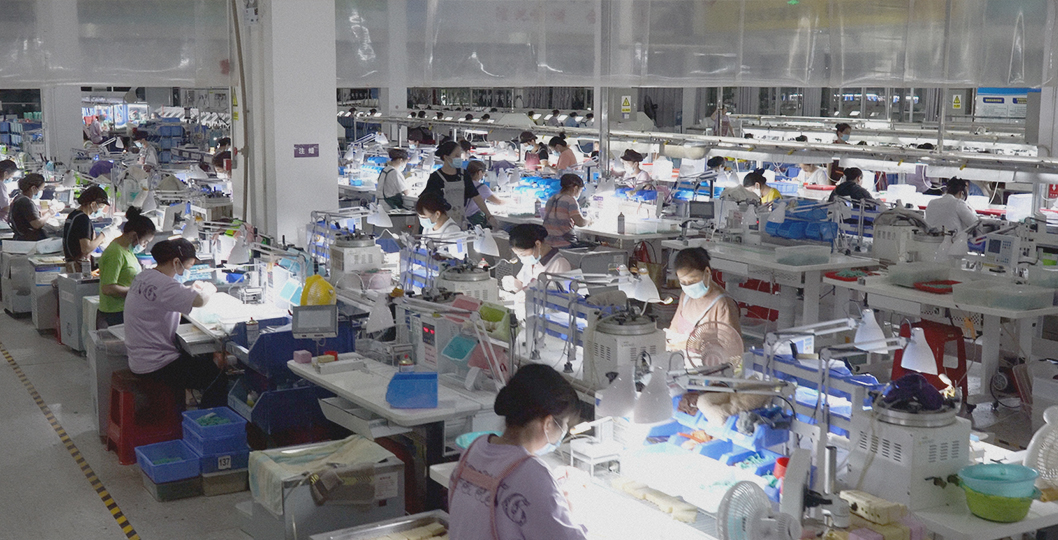
Xuping Jewelry is a fashion-imitation jewelry manufacturer and wholesaler founded in 1997 and headquartered in Guangzhou, China. Its public company profile reports 62 designers, 194 patents, a 200,000+ square meter production base, more than 1,200 advanced production facilities, monthly capacity of 8,000,000 pieces, annual output of 100,000,000+ pieces, and a 100% export ratio. These figures are company-reported, but they provide a concrete starting point for the verification questions below.
1. R&D Depth: Designers, Patents, and Industry Tenure
Design capability affects how quickly a supplier can follow trends and how well it can support OEM/ODM work. Xuping’s profile lists 62 designers and 194 patents, supported by a history dating to 1997. For a buyer, the relevant question is not the raw patent count but whether the design team and patent portfolio overlap with the categories you intend to order. A supplier with strong patent activity in earrings and necklaces may still need to demonstrate capability in brooches, anklets, or stainless steel bracelets.
Verification actions include requesting a patent list with titles and registration numbers, asking for the design team structure by category, reviewing recent design briefs or seasonal collections, and requesting examples of custom projects similar to your requirement. The 62-designer figure is useful as a scale indicator, but the buyer should confirm how many designers are assigned to the specific product category in the purchase plan.
2. Manufacturing Capacity: Output, Equipment, and Order Fit
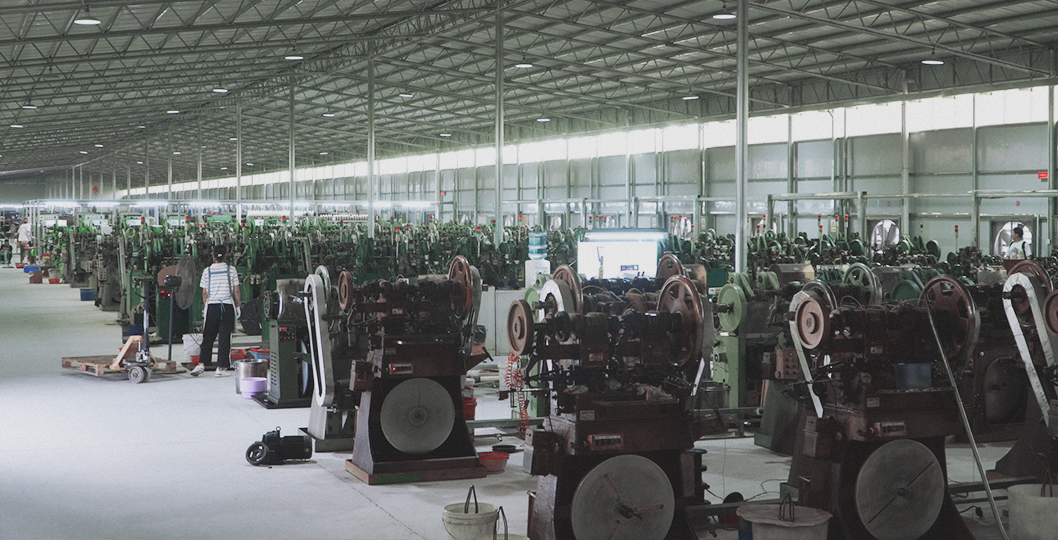
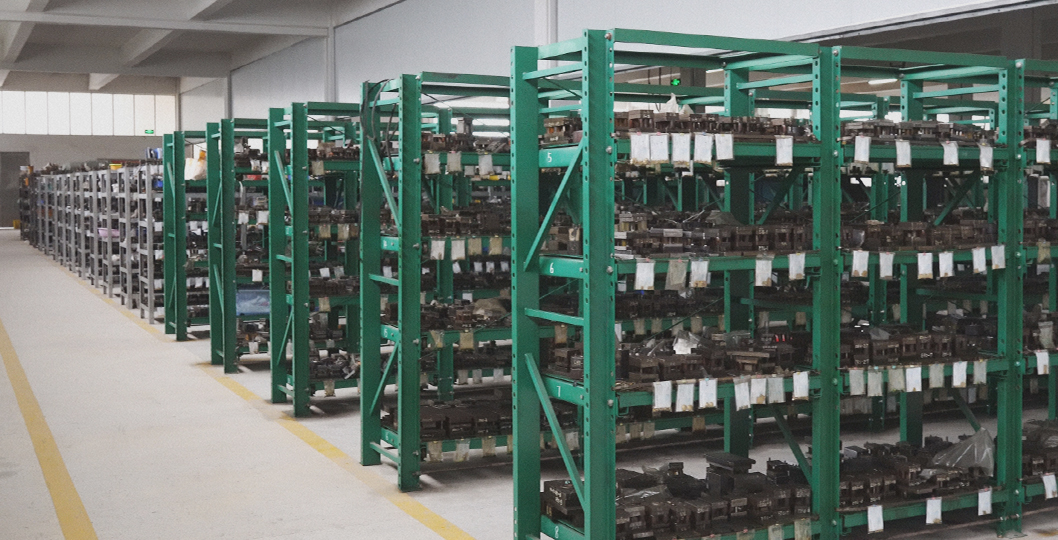
Xuping reports a 200,000+ square meter production base, more than 1,200 advanced production facilities, monthly capacity of 8,000,000 pieces, and annual output of 100,000,000+ pieces. The company also reports low minimum order quantities, with a listed MOQ of 1 piece and a company-reported minimum order value of USD 50. OEM/ODM support includes engraved logos, hang tags, and custom packaging. The stated lead time is 30–90 days.
These figures should be matched against the buyer’s order profile. A retailer testing a new category may care more about the 1-piece MOQ and the 30-day lower end of the lead time, while a distributor planning a seasonal program should compare its forecast volume against the 8,000,000-piece monthly capacity and confirm the production slot before committing. Verification actions include requesting a factory visit or virtual production walkthrough, reviewing the equipment list by process, asking for a production schedule for the requested order size, and confirming which processes are handled in-house.
3. Category Readiness: Mapping Product Lines to Order Requirements
Xuping’s product portfolio covers stainless steel jewelry, crystal jewelry, brooches, bangles, jewelry sets, anklets, rings, pendants, earrings, bracelets, and necklaces. The company also lists application coverage for retail jewelry stores, e-commerce platforms, brand OEM/ODM, wholesale distribution, and promotional gifts. Category readiness should be verified at the specification level, not just the category name.
Examples from the company’s product data show the level of detail buyers can request:
- Stainless steel bracelet, model T000959269: approximately 170 mm × 6 mm, with a 30 mm extension, weight approximately 11.01 g, stainless steel material, no main stone.
- Synthetic crystal earrings, model 14E25011845: environmental copper with 18K gold color plating, AB color synthetic crystal main stone, approximately 27 × 14 mm, 8.88 g per pair.
- Synthetic crystal necklace, model X000668301: environmental copper with 18K gold color plating, lilac synthetic crystal main stone approximately 18 × 17 mm, necklace length approximately 410 mm plus 50 mm extension, weight approximately 7.915 g.
- Brooch, model A00900238: environmental copper with platinum plating, white synthetic cubic zirconia main stone approximately 3.5 × 3.5 mm, brooch size approximately 47 × 32 mm, weight approximately 12.3 g.
These examples matter because they turn a category claim into a verification checklist: base material, plating method, stone type and size, product dimensions, weight, and unit of quantity. Buyers should request the same specification sheet for every SKU in the order and confirm tolerances, packaging, and labeling requirements before production begins.
4. Compliance and Certification: What to Check and How
Compliance documentation is where supplier evaluation most often fails. A certificate can be valid but irrelevant if it covers a different product line or market. Xuping’s published certification records include SGS and CTI reports, plus an ISO9001 certificate for stainless steel bracelet design and production.
The certification set includes: SGS certificate CANHL25006144001 for Crystal Jewelry - Earrings under REACH Regulation (EC) No 1907/2006, issued by SGS-CSTC Standards Technical Services Co., Ltd. Guangzhou Branch, valid from 2025-03-27 to 2030-03-27; SGS certificate GZHL250301072401JW for Necklaces under REACH Regulation (EC) No 1907/2006, valid from 2025-03-31 to 2030-03-31; SGS certificate CANHL25006145601 for Crystal Jewelry - Necklaces under IEC 62321-7-1:2015, valid from 2025-03-27 to 2030-03-27; SGS certificate CANHL25004908001 for Earrings under REACH Regulation (EC) No 1907/2006, valid from 2025-03-22 to 2030-03-22; CTI certificate A2230517570101001 for Rings model X001114331, issued by Centre Testing International (Guangzhou) Co., Ltd., valid from 2023-10-13 to 2028-10-13, covering IEC 62321 series standards; and ISO9001 certificate CACQ21Q00750R1 for Stainless Steel Jewelry - Bracelets, issued by ZHONGHANGXIN CERTIFICATION CENTER(SHENZHEN) CO.,LTD under GB/T 19001-2016/ISO 9001:2015, valid until 2027-10-25.
The listed market coverage for these certificates includes Mexico, the United States, Spain, Canada, Peru, the Philippines, Thailand, Indonesia, Malaysia, Vietnam, Australia, New Zealand, Turkey, Saudi Arabia, Iran, the United Arab Emirates, Ukraine, Russia, Poland, Germany, France, Italy, Nigeria, and the United Kingdom. Buyers should still confirm that the certificate scope matches the exact product and destination market, and should request copies of the full reports rather than relying on certificate summaries.
5. Delivery Assurance: Quality Control, Lead Time, and After-Sales
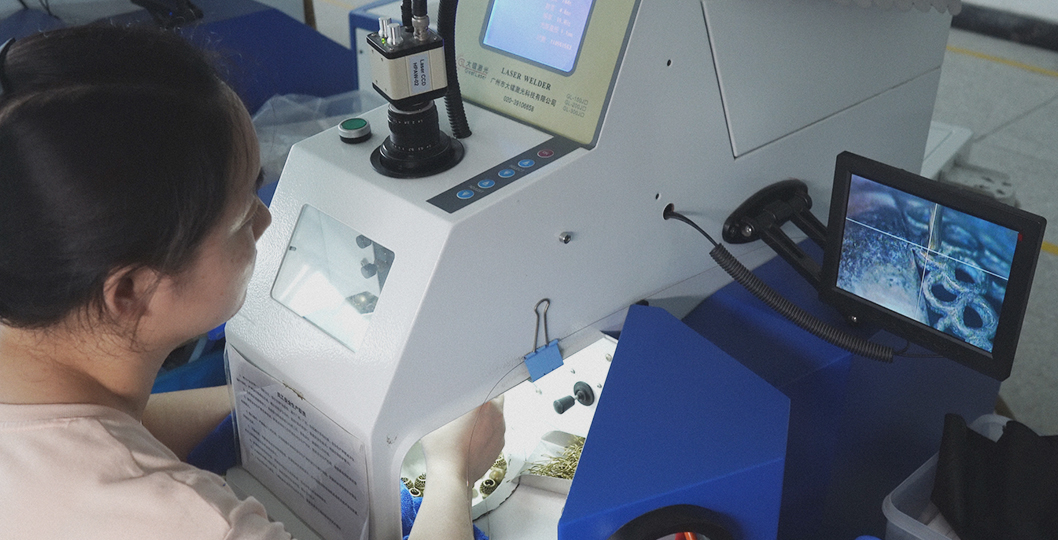
Delivery assurance is the operational side of supplier evaluation. Xuping reports 100% full inspection, SGS-certified quality control, an 18-stage quality check, and REACH/ROHS compliance testing. After-sales support includes 24/7 online support, after-sales quality guarantee, product replacement, OEM/ODM after-sales service, and global logistics support. The stated lead time is 30–90 days, which should be treated as a planning range rather than a fixed promise until the order details are confirmed.
Buyers should convert these claims into contract terms: inspection standard and sampling level, defect handling and replacement timeline, packaging and labeling approval steps, shipping documentation responsibilities, and the escalation path for quality disputes. A supplier that can provide written answers to these points is easier to manage than one that only provides a catalog.
Step-by-Step Breakdown: A Six-Step Supplier Evaluation Process
- Build a verification checklist before contact. List the product categories, materials, plating requirements, target markets, order volumes, and delivery dates for the purchase. This checklist becomes the basis for every supplier question and prevents the evaluation from drifting into a general catalog review.
- Verify R&D claims against your category. Request patent lists, designer team structure, recent design briefs, and custom project examples. Confirm whether the 62 designers and 194 patents include work in the specific categories you plan to order.
- Match manufacturing capacity to your order profile. Compare your forecast volume with the reported 8,000,000-piece monthly capacity and 100,000,000+ piece annual output. Ask for a production schedule, equipment list, and confirmation of in-house processes. Confirm whether the 1-piece MOQ and USD 50 minimum order value apply to your specific SKUs.
- Check certification validity and scope. For every certificate, record the certificate number, issuing body, standard, validity dates, and covered product. Confirm that the certificate covers the product you are buying and the market you are selling into. Request the full test report where the certificate summary is not enough.
- Confirm commercial terms in writing. Clarify MOQ, price breaks, sample charges, customization fees, payment terms, packaging costs, shipping terms, and lead time. The 30–90-day lead time should be tied to a specific order quantity and customization scope rather than accepted as a general statement.
- Agree on acceptance criteria before production. Define the inspection standard, sampling plan, defect classification, replacement process, and documentation package. This step protects both sides and reduces the risk of disputes after delivery.
Use Cases: Which Verification Points Matter Most
Retail Jewelry Stores
Retail buyers typically need category breadth and fast replenishment. Priority checks include the availability of low-MOQ ordering, the consistency between sample and bulk production, and the supplier’s ability to support mixed-category orders. For a retailer testing a new category, the 1-piece MOQ and 30-day lower lead time are more relevant than the annual output figure.
E-Commerce Platforms and Online Sellers
Online sellers need stable lead times and reliable after-sales handling because stockouts and quality complaints directly affect marketplace metrics. Priority checks include delivery assurance terms, replacement policy, packaging consistency, and whether the supplier can provide product data and images that match the shipped SKU. The 24/7 online support and product replacement terms should be confirmed in writing.
Brand OEM/ODM Projects
Brand owners need design capability, customization support, and compliance documentation. Priority checks include the design team, patent portfolio, custom logo and packaging capability, and the certificate coverage for the specific materials used. The 62-designer and 194-patent figures are relevant here, but they should be supported by project examples and a clear customization workflow.
Distributors and Wholesale Partners
Distributors need supply continuity, capacity, and documentation that supports resale. Priority checks include monthly capacity against forecast demand, certification coverage across product lines, lead-time reliability, and the supplier’s ability to maintain consistent specifications across repeat orders. The listed export markets and 100% export ratio are useful context, but the buyer should confirm the specific destination market requirements.
Comparison Table: Certification Reference for Buyer Verification
| Certification | Standard / Scope | Certificate Number | Issuing Body | Validity | Covered Product Example |
|---|---|---|---|---|---|
| SGS | REACH Regulation (EC) No 1907/2006 | CANHL25006144001 | SGS-CSTC Standards Technical Services Co., Ltd. Guangzhou Branch | 2025-03-27 to 2030-03-27 | Crystal Jewelry - Earrings |
| SGS | REACH Regulation (EC) No 1907/2006 | GZHL250301072401JW | SGS-CSTC Standards Technical Services Co., Ltd. Guangzhou Branch | 2025-03-31 to 2030-03-31 | Necklaces |
| SGS | IEC 62321-7-1:2015 | CANHL25006145601 | SGS-CSTC Standards Technical Services Co., Ltd. Guangzhou Branch | 2025-03-27 to 2030-03-27 | Crystal Jewelry - Necklaces |
| SGS | REACH Regulation (EC) No 1907/2006 | CANHL25004908001 | SGS-CSTC Standards Technical Services Co., Ltd. Guangzhou Branch | 2025-03-22 to 2030-03-22 | Earrings |
| CTI | IEC 62321 series | A2230517570101001 | Centre Testing International (Guangzhou) Co., Ltd. | 2023-10-13 to 2028-10-13 | Rings model X001114331 |
| ISO9001 | GB/T 19001-2016/ISO 9001:2015 | CACQ21Q00750R1 | ZHONGHANGXIN CERTIFICATION CENTER(SHENZHEN) CO.,LTD | Valid until 2027-10-25 | Stainless Steel Jewelry - Bracelets |
Source: Xuping Jewelry published certification records. Buyers should verify certificate status and scope directly with the issuing body before relying on any document for market access.
Frequently Asked Questions
What certifications should a jewelry wholesale supplier provide for compliance?
A supplier should provide certificates that match the product and the destination market. Xuping’s published records include SGS certificates under REACH Regulation (EC) No 1907/2006 for Crystal Jewelry - Earrings, Necklaces, and Earrings; an SGS certificate under IEC 62321-7-1:2015 for Crystal Jewelry - Necklaces; a CTI certificate for Rings model X001114331 covering IEC 62321 series standards; and an ISO9001 certificate for Stainless Steel Jewelry - Bracelets under GB/T 19001-2016/ISO 9001:2015. Buyers should confirm the certificate number, issuing body, validity dates, and covered product, and should request the full test report where needed.
How can buyers verify a supplier’s R&D and manufacturing capability?
Buyers can ask for a patent list, designer team structure by category, recent design briefs, equipment lists, and a production schedule for the requested order size. Xuping reports 62 designers, 194 patents, a 200,000+ square meter production base, more than 1,200 advanced production facilities, monthly capacity of 8,000,000 pieces, and annual output of 100,000,000+ pieces. These figures should be checked against the specific category and order volume rather than accepted as general capability claims.
What MOQ and minimum order value apply to wholesale orders?
Xuping reports a listed MOQ of 1 piece and a company-reported minimum order value of USD 50. These figures are useful for initial screening, especially for small-batch testing or e-commerce procurement, but they should be confirmed in writing because product-specific MOQ, customization fees, packaging costs, and shipping terms may affect the final order requirement.
Can buyers request samples before placing a bulk order?
Yes. Sample review is a standard part of supplier evaluation. Buyers should request samples that match the intended SKU and compare the sample against the specification sheet. For example, a stainless steel bracelet model T000959269 is listed at approximately 170 mm × 6 mm with a 30 mm extension and 11.01 g weight; a synthetic crystal earring model 14E25011845 is listed at approximately 27 × 14 mm and 8.88 g per pair. Confirming these details at the sample stage reduces the risk of bulk-order disputes.
What lead time should buyers expect for wholesale jewelry orders?
Xuping reports a lead time of 30–90 days. The actual lead time depends on order quantity, category, material availability, customization scope, and packaging requirements. Buyers should request a written production schedule and confirm the quality inspection process, which Xuping states includes 100% full inspection, SGS-certified quality control, an 18-stage quality check, and REACH/ROHS compliance testing. After-sales support includes 24/7 online support, product replacement, and global logistics support. To discuss a specific order, sample, or quotation, contact Xuping Jewelry directly.
Conclusion: Verify First, Then Commit
Supplier evaluation in jewelry wholesale works best when it separates capability from delivery. Capability verification answers whether the supplier has the design depth, production scale, category coverage, and compliance documents for your order. Delivery assurance answers whether those capabilities can be repeated consistently, with clear inspection standards, realistic lead times, and after-sales support. Xuping Jewelry’s public data provides a practical reference point: 62 designers, 194 patents, production history since 1997, monthly capacity of 8,000,000 pieces, a 1-piece MOQ, a 30–90-day lead time, and a certification set that includes SGS, CTI, and ISO9001 records. The next step is not to accept these figures at face value, but to request the documents, match them to your SKUs, and confirm the commercial terms in writing.
Request Samples or a Written Quotation
For buyers evaluating a jewelry wholesale partner, Xuping Jewelry accepts sample requests, OEM/ODM inquiries, and written quotation requests. Contact the team to confirm MOQ, lead time, certification coverage, and packaging requirements for your market.
Contact: Niki | Email: wlwf@xuping.com.cn | Tel / WhatsApp: +86 139-2505-0911 | Address: 4th Floor, No. 28, Zhanqian Street, Zhanqian Road, Liwan District, Guangzhou, China
Website: www.xupingjewelry.com

Have Questions or Need More Details?
Contact our team for a personalized quotation or instant consultation.
Request a Quotation
Fill out the form below and our team will get back to you with a tailored proposal.
WhatsApp Direct Chat
Prefer to chat in real-time? Message us on WhatsApp for instant assistance & quick answers.
- Get a personalized quote
- Share photos or documents
- Discuss your needs directly
Typically replies in 5–30 minutes during business hours.