Fashion Jewelry Manufacturing: The 18-Step Production Process
Fashion Jewelry Manufacturing: The 18-Step Production Process
Fashion jewelry manufacturing is a sequence problem before it is a design problem. A strong design can still reach a buyer as a carton of inconsistent, discolored pieces if the steps between the drawing and the shipping carton are not controlled. Xuping Jewelry (Guangdong Xuping Jewelry Co., Ltd.), a fashion-imitation jewelry manufacturer founded in 1997 in Guangzhou, China, states that every item it ships passes through 18 production procedures to meet European and American environmental-protection standards.
For buyers in the decision and execution stage — distributors placing a first bulk order, e-commerce sellers validating a new design, brand owners commissioning custom fashion jewelry — that stated number is more useful than it first appears. It signals a defined process rather than an improvised one, and it gives the buyer something concrete to audit.
This technical guide explains what an 18-step production process covers in fashion jewelry manufacturing, which steps determine the quality that actually arrives, and which checkpoints to verify before committing to a long-term supply partnership.
The Real Buying Problem: Bulk Rarely Matches the Approved Sample
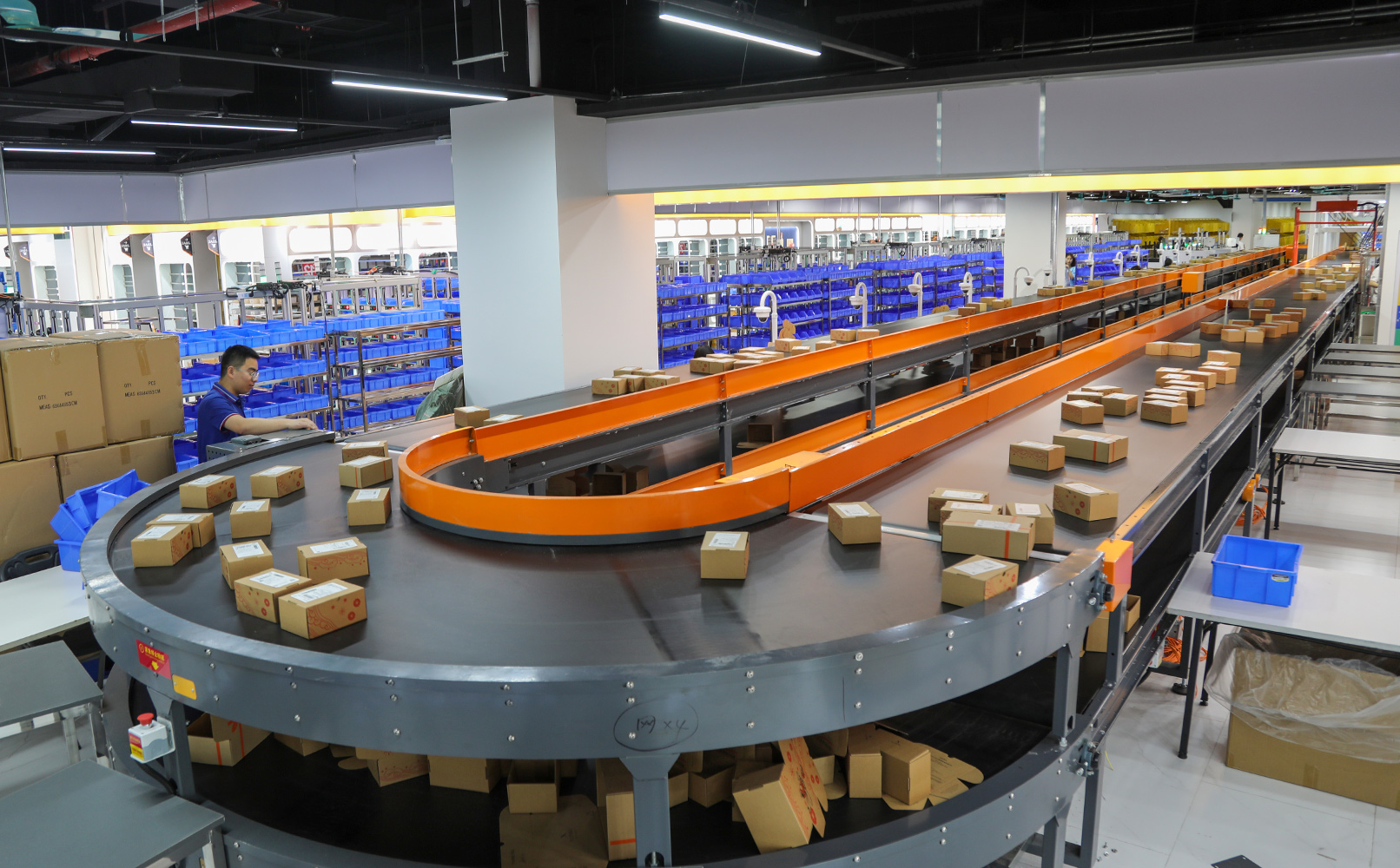
Answer-first: the most common sourcing failure in fashion jewelry is not a bad design. It is variance between the approved sample and the delivered bulk order. Samples are typically produced in small quantities by the most experienced technicians, with extra handling time and manual attention. Bulk production runs on a line, at volume, with handoffs between departments.
If those handoffs are not defined and checked, the same written specification produces different results. Plating color drifts between batches. CZ stones sit looser in their seats. Clasps feel different from unit to unit. Buyers then discover the problem after the goods have cleared customs, when the only remedies left are rework, discount, or a written after-sales claim.
A production procedure count is, in practical terms, a claim about how many controlled handoffs exist between raw material and packed goods. Two consequences follow for buyers:
- Quality cannot be inspected in at the end. Plating adhesion and color consistency are decided before the final inspection table, in cleaning and plating stages.
- Repeat orders depend on the process, not on the people. A supplier that relies on individual technicians cannot hold quality across a second or third order.
Industry Background: Growing Demand Meets Tighter Compliance
The commercial context explains why process control has moved from a manufacturing detail to a procurement criterion. The global fashion (costume) jewelry market is projected to reach USD 167.97 billion in 2024, according to Custom Market Insights. The imitation (fashion) jewelry segment specifically is expected to grow at a CAGR of 7.23% between 2025 and 2035, driven by e-commerce expansion, according to Spherical Insights.
Supply is concentrated. China's jewelry exports reached approximately USD 11.5 billion in 2024, with major destinations being Hong Kong, the US, and Switzerland, according to the Observatory of Economic Complexity (OEC). Within the category, necklaces and pendants are the largest product segment, accounting for approximately 28.5% of revenue in 2025, according to Market Intelo.
At the same time, compliance pressure has increased on the two risks that buyers cannot see with the naked eye: nickel release and lead content. The EU's EN 1811:2023 standard mandates a nickel release limit of 0.5 µg/cm²/week for jewelry in prolonged skin contact. ASTM F2999 is the primary US safety specification for adult jewelry, restricting lead content in electroplated metals to 6.0%.
Both limits are outcomes of the production process. Nickel release depends on the barrier layer structure under the final plating; lead content depends on the alloy and the plating chemistry. Neither can be corrected by visual inspection of finished goods. That is why the process itself — not the final QC table — is the correct place for a buyer to look.
How Xuping Jewelry Structures Process Control
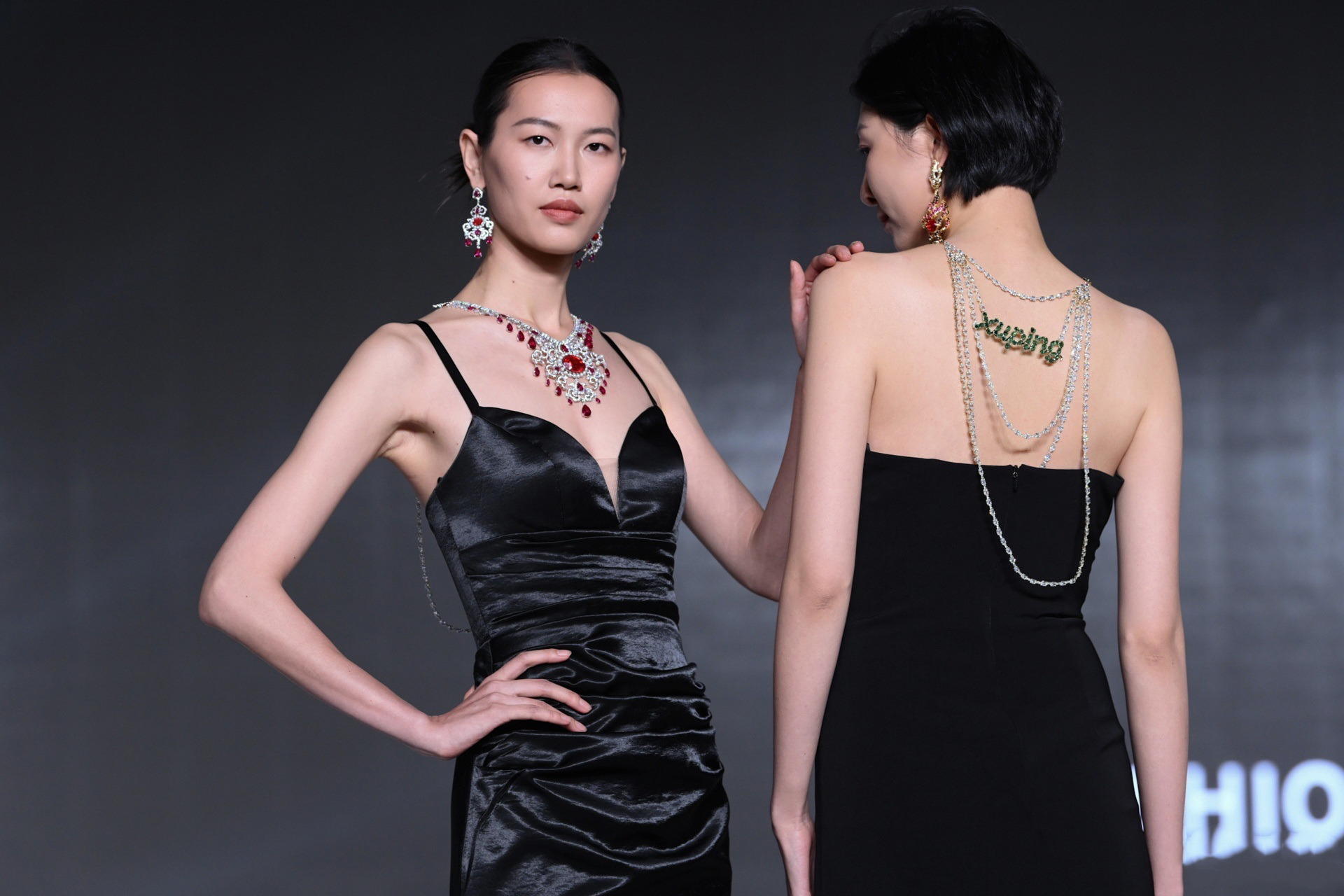
Xuping Jewelry is a comprehensive enterprise integrating R&D, design, manufacturing, wholesale trade and e-commerce, serving buyers worldwide. Its quality position rests on the following verifiable operating facts:
- Material and finish: All items adopt premium copper alloy as the base material with sophisticated gold-plating craftsmanship, delivering outstanding texture and durability. The wider catalog also covers stainless steel, gold-plated, cubic zirconia and crystal constructions.
- Process scope: All goods go through 18 production procedures to meet European and American environmental-protection standards.
- Third-party validation: Products hold international certifications including SGS, CE and ISO.
- Capacity: Monthly production capacity is 8,000,000 pieces; annual output is more than 100,000,000 pieces.
- Infrastructure and development: A production base covering 200,000 m², more than 1,200 advanced production facilities, an R&D team of 62 designers, and 194 patents.
- Product coverage: Rings, pendants, earrings, bracelets, necklaces, anklets, bangles and jewelry sets.
- Market reach: Sales in over 100 countries and regions, covering Europe, America, the Middle East, Southeast Asia and Africa.
- Commercial model: Low minimum order quantities supported, plus one-stop OEM & ODM customization services.
The process claim becomes more credible when it is read against volume. At 8,000,000 pieces per month, a manufacturer cannot rely on hand-sorting defective output. Consistency at that scale has to be designed into the sequence: material input, forming, surface preparation, plating, setting, assembly, and documented inspection. The 18 procedures are the structure that makes that possible.
The 18-Step Production Process, Stage by Stage
| # | Process stage | What the buyer should verify |
|---|---|---|
| 1 | Design intake and style selection | Style brief locked with reference images, target market and required finish tone |
| 2 | Technical drawing / CAD file | Drawing approved in writing before tooling begins; dimensions and tolerances agreed |
| 3 | Prototype or master model | Physical model signed off against the drawing, not against memory |
| 4 | Mold making | Mold ownership, cavity count, and replacement policy stated in the order |
| 5 | Base material preparation | Alloy specification in writing; Xuping Jewelry uses premium copper alloy as its base material |
| 6 | Casting or blanking of the base shape | Weight and dimension consistency measured across the first output batch |
| 7 | Trimming, filing and joint preparation | No sharp edges, no visible seams or flashes on the finished piece |
| 8 | Soldering and component joining | Joint strength tested; solder color match confirmed after plating |
| 9 | Tumbling and mechanical pre-polishing | Surface smoothness before plating — scratches under plating cannot be removed later |
| 10 | Ultrasonic degreasing and cleaning | Cleaning discipline documented; plating adhesion depends on this step |
| 11 | Activation and pre-plating layers | Layer sequence recorded; adhesion test method agreed |
| 12 | Gold plating (final color layer) | Agreed color tone and plating specification. Where a listing says 18k gold fashion jewelry, confirm whether the claim describes the plating composition and how it is verified |
| 13 | Rinsing and drying | No water marks, staining or residue on the plated surface |
| 14 | Stone setting (cubic zirconia, crystal) | Stone security and seat cleanliness on CZ and cubic zirconia designs, tested on production units |
| 15 | Assembly (ear hooks, clasps, chains, extenders) | Function tested on every unit, not only on the pre-production sample |
| 16 | In-line and final quality inspection | Inspection criteria in writing; defect definitions and acceptable limits agreed before production |
| 17 | Compliance screening | Nickel release and lead content benchmarked against EN 1811:2023 (0.5 µg/cm²/week) and ASTM F2999 (6.0% lead in electroplated metals); SGS documentation matched to the actual material and plating |
| 18 | Packing, labeling and pre-shipment test | Pre-shipment test as the stated acceptance criterion; packaging specification confirmed per sales channel |
Phase 1 — Design and tooling (Stages 1–4)
This phase decides whether a design is manufacturable at your target price and volume. Most disputes that appear later as quality problems begin here, as unclear drawings or unapproved models. Buyers should treat the approved model as the legal reference for the order.
Phase 2 — Metal forming and mechanical finishing (Stages 5–9)
Copper alloy base material is formed into shape, then trimmed, joined and mechanically smoothed. Surface preparation at this point determines how the plating will look six months later. A piece with micro-scratches entering the plating line will show them through the gold layer.
Phase 3 — Cleaning and electroplating (Stages 10–13)
This is the phase that separates competent fashion jewelry factories from assemblers. Degreasing, activation layers, gold plating and controlled rinsing decide color consistency between batches, tarnish resistance, and nickel release performance. It is also the phase where buyers have the least visibility, which is exactly why the documentation request matters.
Phase 4 — Setting, assembly, inspection and packing (Stages 14–18)
Stone setting and assembly convert components into finished jewelry; inspection and packing protect that value through transport. The compliance screening stage is where third-party validation such as SGS becomes relevant to the order rather than to the brochure.
One limitation is worth stating plainly: a procedure count does not tell you the plating thickness, the barrier layer structure, or the equipment used. Those remain proprietary. The count tells you whether the supplier can map its own process — and a supplier that cannot produce that map on request is unlikely to hold quality across repeat orders.
Use Cases: Where Process Control Shows Up in the Finished Order
Different end uses stress different stages of the 18-step sequence. The same factory can produce excellent results for one application and disappointing results for another if the buyer does not specify which stages matter.
- Fashion jewelry for party and evening wear: brightness and color consistency dominate. Plating tone must match across a set, and the surface must hold up under strong indoor lighting. Stages 10–13 carry the risk here.
- Fashion jewelry for wedding and formal sets: coordinated pieces are worn against skin for hours. Nickel release performance under EN 1811:2023 matters, and so does stone security on CZ and cubic zirconia elements (stage 14) when sets are handled repeatedly.
- Daily wear and women fashion jewelry: abrasion and tarnish resistance define perceived quality. Buyers should ask which plating specification was used, not only whether the item is described as high quality fashion jewelry.
- E-commerce and live-streaming supply: the risk is batch-to-batch variation, because the same product is photographed and re-sold over months. Suppliers serving this channel need low minimum order quantities and support for small-batch mixed orders, which reduces the financial burden on small and medium-sized buyers.
- Wholesale and distributor stocking: bulk fashion jewelry orders need a wide variety of styles, consistent quality and one-stop wholesale support, since the distributor is promising its own customers a repeatable standard.
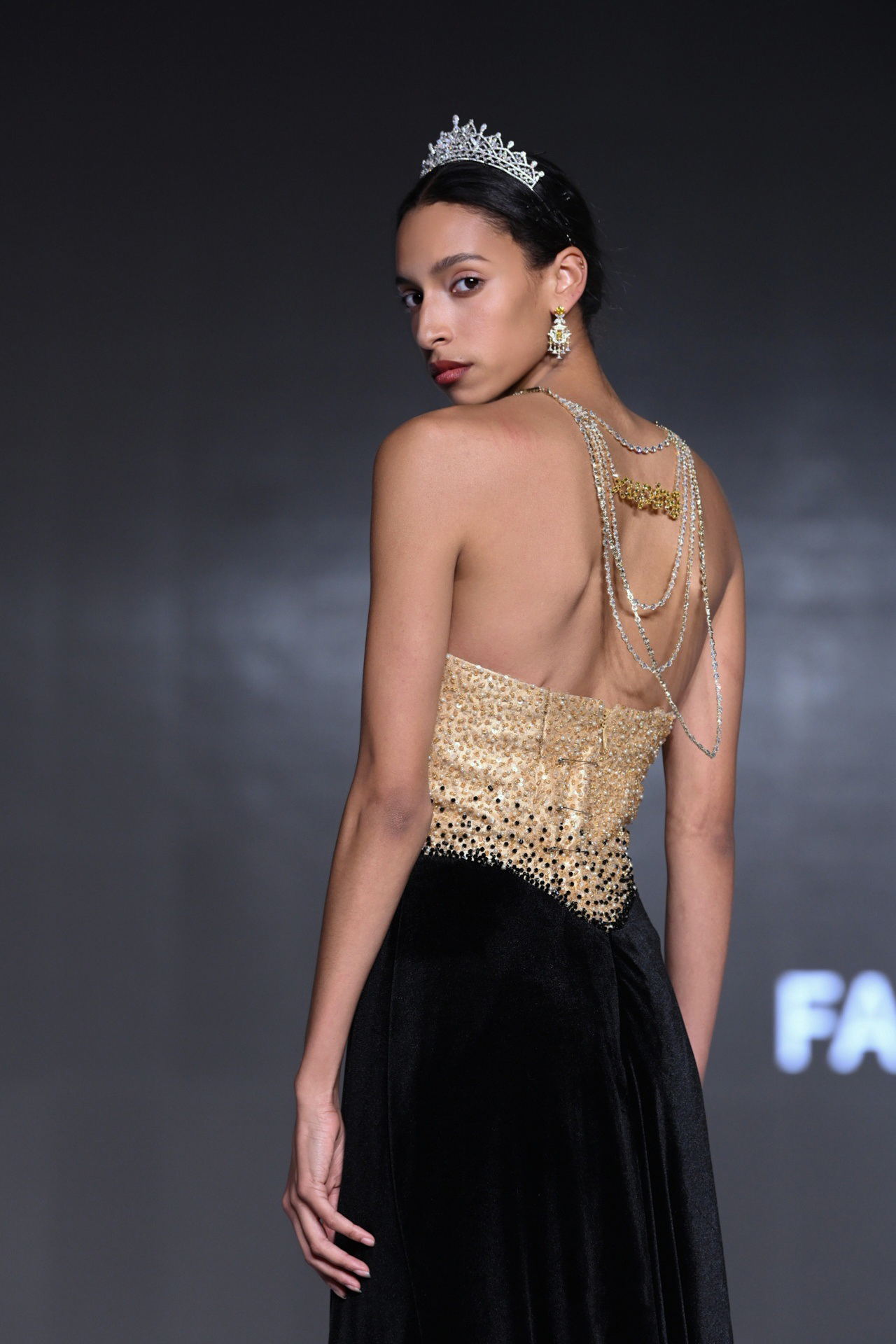
Comparison Table: What Is Claimed vs. What Buyers Should Verify
The table below compares Xuping Jewelry's stated operating facts with the corresponding verification step a buyer should complete with any manufacturer before scaling an order.
| Sourcing dimension | What Xuping Jewelry states | What to verify with any supplier |
|---|---|---|
| Base material | Premium copper alloy base material with sophisticated gold-plating craftsmanship; catalog also covers stainless steel, gold-plated, cubic zirconia and crystal | Substrate specification and plating specification in writing on the order |
| Process control | All goods pass through 18 production procedures to meet European and American environmental-protection standards | A written process map, including cleaning and plating stages, and in-line checkpoints |
| Third-party validation | International certifications including SGS, CE and ISO | Certificate scope matched to your actual product, material and plating |
| Nickel and lead compliance | Processes designed to meet European and American environmental-protection standards | Benchmark against EN 1811:2023 (0.5 µg/cm²/week nickel release) and ASTM F2999 (6.0% lead in electroplated metals); request test reports |
| Capacity | Monthly production capacity 8,000,000 pieces; annual output more than 100,000,000 pieces; 200,000 m² production base; more than 1,200 production facilities | Capacity evidence, peak-season scheduling, and realistic lead time for your design's procedure count |
| MOQ and commercial terms | MOQ 1 pcs; FOB delivery terms; pre-shipment test as acceptance criterion; payment via PayPal, Western Union, Money Gram, Bank of China or HSBC | All terms written into the proforma invoice, not only stated in conversation |
| Supply model | Direct from the manufacturer; one-stop wholesale; OEM & ODM customization available; worldwide shipping | Confirmation of who owns and operates the production line |
| After-sales | Exchange or return where goods do not conform to the customer's order or are damaged during transportation; returns processed within 48 hours after receipt and inspection; abnormal wear and preference-based reasons excluded | Written after-sales terms and the return authorization procedure |
FAQ: Fashion Jewelry Manufacturing and Quality Control
1. Which certifications and standards should a buyer verify before ordering fashion jewelry?
Xuping Jewelry holds SGS, CE and ISO certifications and states that all goods pass through 18 production procedures to meet European and American environmental-protection standards. Buyers should match the scope of the certificate to the actual product, material and plating. Two standards are useful benchmarks: the EU's EN 1811:2023 mandates a nickel release limit of 0.5 µg/cm²/week for jewelry in prolonged skin contact, and the US ASTM F2999 restricts lead content in electroplated metals to 6.0%. Request the test coverage that matches your material and plating specification, and confirm the acceptance criterion in writing — Xuping Jewelry's stated acceptance criterion is a pre-shipment test.
2. Can one manufacturer deliver both custom designs and large-volume production?
Xuping Jewelry combines both capabilities. An R&D team of 62 designers and 194 patents supports custom development, while the production base covers 200,000 m² and houses more than 1,200 advanced production facilities. The stated monthly production capacity is 8,000,000 pieces, with annual output of more than 100,000,000 pieces. Product coverage spans rings, pendants, earrings, bracelets, necklaces, anklets, bangles and jewelry sets, with one-stop OEM & ODM customization services available alongside low minimum order quantities.
3. What are the minimum order quantity, delivery terms and payment terms?
Xuping Jewelry states an MOQ of 1 pcs, FOB delivery terms, pre-shipment test as the acceptance criterion, and payment through PayPal, Western Union, Money Gram, Bank of China or HSBC. Because supply is direct from the manufacturer, the model offers a price advantage, and support for small-batch mixed orders reduces the financial burden on small and medium-sized customers. When comparing quotes, match them to the same material, plating and stone specification — a lower piece price against a lighter plating specification is not a like-for-like comparison.
4. How should a sample be evaluated against the production process?
Evaluate the sample against the approved drawing, not against memory. Check plating color and coverage, stone seating on CZ and cubic zirconia designs, joint and clasp function, and evidence that cleaning and plating controls were applied, since these stages determine tarnish and skin-contact performance. Then ask the supplier to confirm that the sample was produced with the same procedure sequence as bulk. Sample quality proves capability; process documentation proves repeatability. Xuping Jewelry's stated terms make validation practical before scaling: MOQ from 1 pcs and pre-shipment test as the acceptance criterion.
5. How should lead time and long-term supply be planned?
Capacity is the first input. Xuping Jewelry's monthly production capacity is 8,000,000 pieces and annual output exceeds 100,000,000 pieces from a 200,000 m² production base, which gives buyers room to plan repeat orders and seasonal peaks. Lead time also depends on how many of the 18 production procedures your design requires — stone setting and multi-layer plating add stages. For long-term supply, put the after-sales terms in writing: Xuping Jewelry promises to exchange or return goods when items do not conform to the customer's order or are damaged during transportation, excludes abnormal wear and preference-based reasons such as smell, color, model or appearance, and processes returns within 48 hours after the package is received and inspected. To start a validation order or request pricing, contact Niki at wlwf@xuping.com.cn, WhatsApp +86 139-2505-0911, or visit xupingjewelry.com.
Next Step: From a First Order to a Long-Term Supply Partnership
A stated 18-step production process is a starting point, not a guarantee. Its value is that it gives a buyer a specific question to ask: can you show me the sequence, and which stages carry the compliance and plating risk? A supplier that answers that question with documentation is a supplier that can be scaled into a repeat-order relationship.
For decision-stage and execution-stage buyers, the practical sequence is straightforward: confirm the material and plating specification in writing, request the process map for the stages that affect color and skin contact, validate a sample against the approved drawing, define the acceptance criterion and after-sales terms in the order, then scale into bulk fashion jewelry production and ongoing supply.
Request a Sample or Production Quote
Xuping Jewelry supplies fashion jewelry worldwide from its own manufacturing base, with MOQ from 1 pcs, OEM & ODM customization, and pre-shipment test as the acceptance criterion.
Email: wlwf@xuping.com.cn
WhatsApp: +86 139-2505-0911
Website: https://www.xupingjewelry.com/
Have Questions or Need More Details?
Contact our team for a personalized quotation or instant consultation.
Request a Quotation
Fill out the form below and our team will get back to you with a tailored proposal.
WhatsApp Direct Chat
Prefer to chat in real-time? Message us on WhatsApp for instant assistance & quick answers.
- Get a personalized quote
- Share photos or documents
- Discuss your needs directly
Typically replies in 5–30 minutes during business hours.