Skin Reactions from Fashion Jewelry? 4 Signs Your Alloy Needs an Upgrade
Skin Reactions from Fashion Jewelry? 4 Signs Your Alloy Needs an Upgrade
Every returned earring starts the same way. A shopper wears a new pair for two days, notices itching and a red patch behind the ear, and sends it back with a review that mentions a skin reaction. For the seller, that is one lost order and one review that stays on the listing. For the importer, brand owner or e-commerce buyer who sourced the item, it is evidence about the base alloy and the plating system underneath — and it is almost always cheaper to correct at the specification stage than at the returns desk.
Skin reactions are not evenly distributed across a catalog. They cluster around particular styles, particular plating colours and particular production batches. That clustering is useful: it turns a vague quality worry into a procurement question with an answer. Change the alloy specification, and the return profile changes with it.
This guide is written for buyers in the evaluation stage — comparing suppliers, reviewing samples, or auditing a program that is already running. It converts the four most common wear complaints into an audit checklist, and it explains how Xuping Jewelry, a fashion jewelry manufacturer founded in Guangdong in 1997 that produces more than 100 million pieces per year, documents an upgraded alloy specification: environmental copper alloy as the base material, controlled 14K gold colour, 18K gold colour and platinum plating, SGS chemical testing against REACH and IEC standards, and an 18-procedure production process under ISO 9001:2015.
Problem Definition: Why a Skin Reaction Is a Sourcing Problem
Three mechanisms explain the majority of skin reactions caused by fashion jewelry.
Metal release from the base alloy. Nickel is one of the best-documented contact allergens in jewelry, and regulators treat it as a material property rather than a design preference. The European Union’s EN 1811:2023 standard sets a nickel release limit of 0.5 µg/cm²/week for jewelry in prolonged skin contact (Intertek). If a purchase order does not name the base alloy, nobody in the supply chain can predict how the item will behave after a week of wear.
Residual process chemistry. Polishing compounds, plating bath residues and handling oils can remain on the surface when cleaning and finishing stages are not controlled. An item can pass a visual inspection and still react on skin.
Exposed base metal. Plating works as a barrier, and barriers fail first at friction points: earring posts and backs, the inner surface of bracelets and bangles, ring edges and necklace clasps. Once the barrier is breached, the wearer is in direct contact with whatever alloy sits underneath.
Each mechanism maps to an auditable sourcing decision — alloy grade, plating method, finishing and cleaning discipline, and inspection intensity before packing. That is why the practical response to a reaction complaint is a specification audit rather than a customer service script.
The commercial arithmetic is straightforward. A reaction return costs the item, the outbound and return shipping, the replacement, and often a public review that follows the listing for months. Buyers evaluating total cost of ownership should price those costs into any cheap alloy.
Industry Background: A Growing Category With Rising Skin-Contact Expectations
The global fashion (costume) jewelry market was projected to reach USD 167.97 billion in 2024 (Custom Market Insights), and the imitation jewelry segment is expected to grow at a compound annual growth rate of 7.23% between 2025 and 2035, driven in part by e-commerce expansion (Spherical Insights). Fast growth pulls new suppliers into the category every season, and base-material discipline varies widely between them.
Product mix concentrates the risk. Necklaces and pendants account for approximately 28.5% of fashion jewelry revenue (Market Intelo, 2025), and these are items worn directly against the neck and chest for hours at a time. Earrings, bracelets, bangles and rings follow the same logic: the closer the fit, the larger the share of the item that stays in contact with skin.
Regulation has moved in parallel. EN 1811:2023 limits nickel release to 0.5 µg/cm²/week for jewelry in prolonged skin contact. In the United States, ASTM F2999 is the primary adult jewelry safety specification and restricts lead content in electroplated metals to 6.0% (QIMA / CPSC). Buyers sourcing for both European and American channels are therefore increasingly asked for chemical test documentation rather than styling sheets alone.
Xuping Jewelry operates in the manufacturing tier of this market. Founded in 1997, the company produces more than 100 million pieces of fashion jewelry annually from a production base covering 200,000 m², supported by 62 designers, 194 patents and more than 1,200 production facilities. Its products are exported to over 100 countries, with documented markets that include the United States, Mexico, Spain, Canada, Germany, France, Italy, the United Kingdom, Poland, Russia, Turkey, Saudi Arabia, the United Arab Emirates, Nigeria, and across Southeast Asia. All goods pass through 18 production procedures to meet European and American environmental-protection standards.
The 4 Signs Your Alloy Needs an Upgrade
The four signals below can be read from wearer feedback, sample trials or returns data. None of them requires laboratory equipment to detect.
Sign 1 — Dark, Green or Grey Marks Where Metal Meets Skin
Colour transfer is a surface phenomenon. When a SKU leaves a grey or green trace on skin within the first days of wear, and several wearers report the same thing, the variable to change is the base alloy and plating combination — not the design. Marking typically appears where the plating is thinnest or where the base surface was not properly prepared before plating, which is a production-stage issue rather than a styling one.
Sign 2 — Itching, Redness or a Rash That Tracks the Contact Area
Location carries the information. A reaction directly under an earring post, beneath a bracelet link, or on the wrist under a clasp points to the metal interface. A rash that appears where no metal touches the skin points somewhere else. Buyers should treat this as a screening signal rather than a diagnosis; nickel is a recognised contact allergen, and EN 1811:2023 exists because prolonged skin contact is the exposure route that matters. Once the sign appears in a SKU, the practical step is to request the material declaration and the chemical test evidence that covers that exact material family.
Sign 3 — Plating Wear-Through at High-Contact Points
Inspect the item after a wear trial, not after unpacking. Wear-through shows up first at earring posts and backs, bracelet and bangle inner surfaces, ring edges and necklace clasps — dull patches, a sharp colour shift, or visible base metal under the plating.
Plating quality is a production question. It depends on the condition of the base surface, the plating method and the finishing sequence. Xuping’s published product specifications state plating methods such as 14K gold colour, 18K gold colour and platinum plating on an environmental copper alloy base. Two examples: necklace X001015911 (14K gold colour, 43 cm, 4.30 g, synthetic cubic zirconia main stone) and jewelry set X000871334 (18K gold colour, 18.8 g per set).
Sign 4 — Return and Complaint Data Concentrated in a Few SKUs
This is the business-side signal, and it is the one that most reliably justifies a specification change. When the same item repeatedly appears in returns with reasons such as itching, rash, discolouration or left a mark, the alloy specification for that SKU needs an upgrade — or the SKU should be retired. Buyers should also check whether the affected items share a base material, plating colour or supplier batch with products that have not yet generated complaints. Alloy and plating problems tend to travel in groups.
| Wearer or data signal | What it usually indicates | Procurement action |
|---|---|---|
| Dark, green or grey marking on skin | Surface reaction or tarnish on a reactive base metal, or an inadequately sealed plating layer | Request the base-material declaration and the named plating method for that model |
| Itching, redness or rash tracking the contact area | Metal release during prolonged skin contact | Request chemical test evidence covering the supplied material family (for example REACH or IEC 62321 documentation) |
| Plating wear-through at posts, clasps and inner surfaces | Insufficient barrier at high-friction points | Re-specify the plating method and add plating inspection after wear testing |
| Returns clustered in a few SKUs | A specification problem, not a styling problem | Upgrade or discontinue the SKU; audit shared batches and shared plating colours |
What an Upgraded Alloy Specification Actually Looks Like
An upgraded alloy should not be a marketing phrase. It is a set of written declarations a buyer can attach to a purchase order. In Xuping Jewelry’s published product and certification data, that specification has five parts.
1. A declared base material. Items state environmental copper alloy as the base material, or stainless steel for the stainless steel line — for example stainless steel necklace A00902945 (14K gold colour, 40 cm, 6.30 g) and stainless steel bracelet T000959269 (17 cm, 11.01 g).
2. A defined plating system. Documented plating methods include 14K gold colour, 18K gold colour and platinum plating, specified per model rather than described generically across a catalog.
3. Declared stone materials. Synthetic cubic zirconia (in white, ruby, garnet and other colours), synthetic crystal and glass are named per item, together with main-stone dimensions — for example crystal jewelry earrings 14E25011845 (18K gold colour, 27×14 mm, 8.88 g per pair, AB colour synthetic crystal).
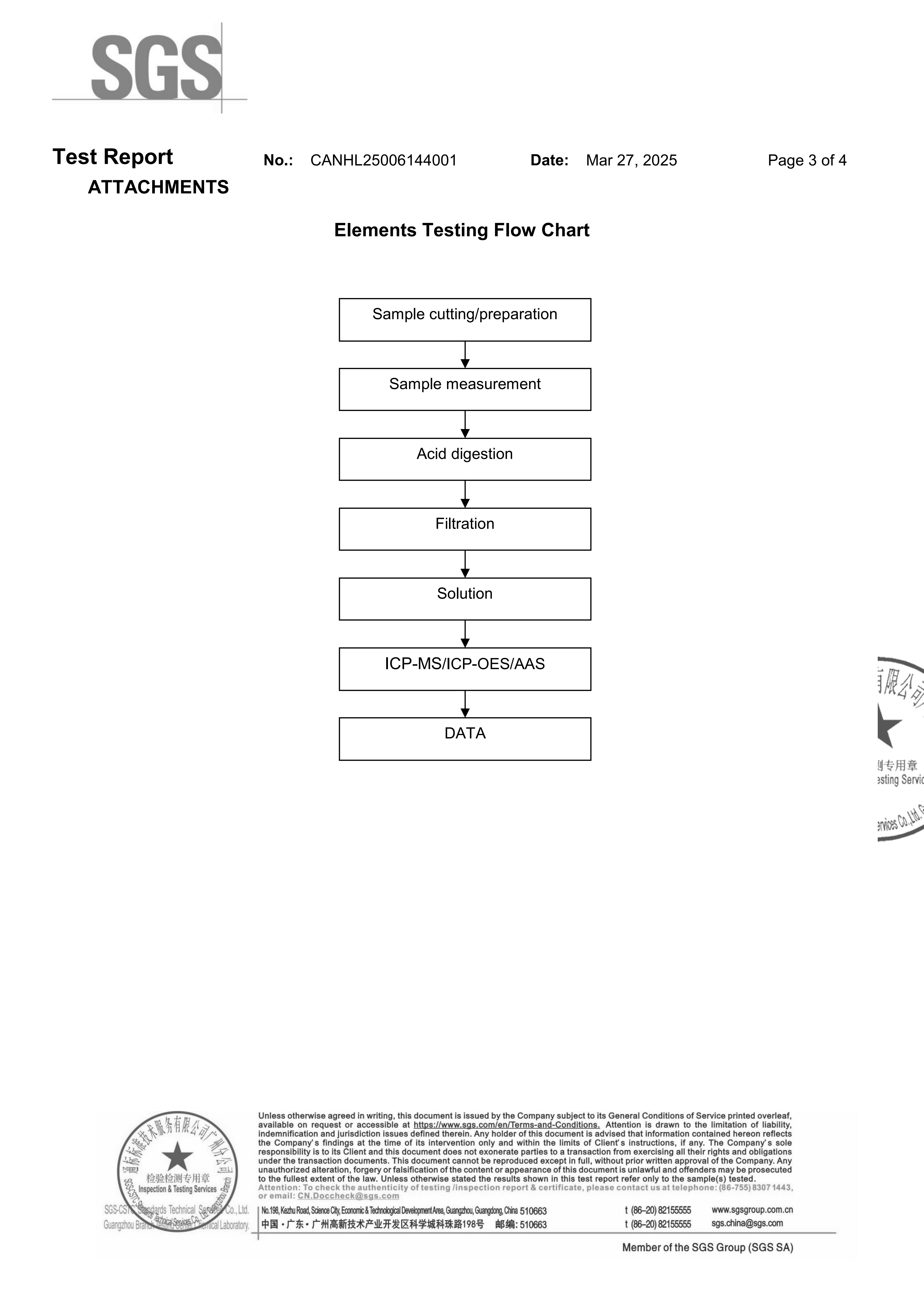
4. Chemical test evidence. Xuping holds SGS certificates issued by SGS-CSTC Standards Technical Services Co., Ltd. Guangzhou Branch against REACH Regulation (EC) No 1907/2006 — certificate CANHL25006144001, issued 27 March 2025 and valid to 27 March 2030 — and against IEC 62321-7-1:2015, certificate CANHL25006145601, valid to 27 March 2030. Further SGS REACH certificates cover necklaces (GZHL250301072401JW, valid to 31 March 2030) and earrings (CANHL25004908001, valid to 22 March 2030). The company also holds CTI certificate A2230517570101001 for the IEC 62321 series, issued 13 October 2023 and valid to 13 October 2028.
5. Process and management control. Xuping is certified to ISO 9001:2015 (GB/T 19001-2016) under certificate CACQ21Q00750R1, with a scope covering the design and production of metal jewelry (issued 16 October 2025, valid to 25 October 2027). Production runs through 18 procedures with an 18-stage quality check and 100% full inspection that includes REACH/ROHS compliance testing. Documented monthly capacity is 8,000,000 pieces.
Step-by-Step Breakdown: Running an Alloy Upgrade Audit in Seven Steps
Step 1 — Isolate the problem SKUs. Pull twelve months of return and complaint reasons and group them by SKU, plating colour and base-material family. Do not start with the supplier; start with the pattern.
Step 2 — Request the material declaration. For every affected model, ask for the base material, the plating method and colour, the stone material, and the unit weight. Xuping publishes this level of detail per model, which makes the comparison objective rather than impressionistic.
Step 3 — Match the evidence to the material family. Check that the test report covers the exact base material and plating being supplied. Verify the certificate number, issuing body, issue date and validity — for example SGS CANHL25006144001 (valid to 27 March 2030) or CTI A2230517570101001 (valid to 13 October 2028).
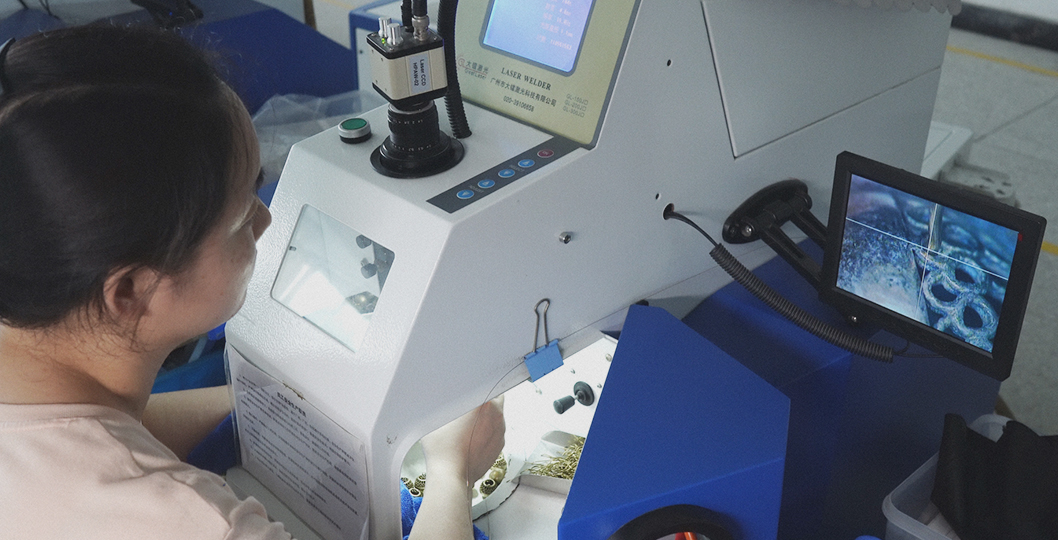
Step 4 — Inspect contact points after a wear trial. Wear the sample for consecutive days in the intended position, then photograph the earring posts, clasp and inner surfaces under consistent lighting. Wear-through is easier to document than to argue about.
Step 5 — Re-specify before re-ordering. Change the variables that produced the signal: base material family, plating method or colour, or the finishing and cleaning discipline behind the plating.
Step 6 — Validate with samples. Xuping supports low minimum order quantities from 1 piece, which means an upgraded specification can be tested at sample scale before committing to bulk volume. OEM/ODM sampling also covers engraved logos, hang tags and custom packaging.
Step 7 — Lock the specification into the order. Write the base material, plating, stone and certificate reference into the purchase order, and agree the after-sales terms alongside it. Xuping provides 24/7 online support, an after-sales quality guarantee, product replacement, OEM/ODM after-sales service and global logistics support.
Use Cases: Where an Alloy Upgrade Pays Back Fastest
- Party and event jewelry. High turnover and repeated try-on make this the segment where surface reactions become visible fastest. Party pieces are often worn for hours in warm conditions, which is exactly when a weak plating barrier shows itself.
- Wedding and bridal sets. Bridal jewelry is kept, photographed and worn against skin for a full day. A jewelry set such as X001006294 (14K gold colour, 28.43 g per set, synthetic cubic zirconia) is judged on comfort as much as on appearance, and a reaction on the wedding day is not recoverable with a refund.
- Daily-wear and e-commerce bestsellers. These SKUs accumulate the most reviews per unit sold, so reaction complaints damage a revenue asset rather than a single order. A declared, tested alloy protects the listing itself.
- Gift and promotional programs. Gift recipients rarely return items; they remember them. A documented material declaration gives the brand something concrete to stand behind when the gift is worn regularly.
- Distributor and brand-agent programs. Xuping’s case records describe brand authorized agents in Morocco, Turkey, Indonesia and Turkmenistan working across retail jewelry stores, e-commerce platforms, brand OEM/ODM and wholesale distribution, with promotional gift applications. Recorded project highlights include stylish designs, a wide variety of styles, rapid updates, environmentally friendly materials, hypoallergenic properties and on-time delivery, and the Morocco-based client reports annual sales of over 3 million units. At that scale, an alloy standard is what keeps a program from being rebuilt around returns.
Comparison Table: What to Require vs. What Xuping Documents
| Specification element | What buyers should require | Xuping Jewelry documented position |
|---|---|---|
| Base material | Base metal declared on the product specification | Environmental copper alloy; stainless steel in the stainless steel line |
| Plating method | Named plating method and colour, per model | 14K gold colour, 18K gold colour, platinum plating |
| Stone material | Declared stone type and dimensions | Synthetic cubic zirconia, synthetic crystal, glass, or no stone |
| Chemical compliance | Test report covering the supplied material family | SGS: REACH (EC) No 1907/2006 — CANHL25006144001, GZHL250301072401JW, CANHL25004908001; IEC 62321-7-1:2015 — CANHL25006145601. CTI: IEC 62321 series — A2230517570101001 |
| Quality management | Recognised QMS covering design and production | ISO 9001:2015 (GB/T 19001-2016), CACQ21Q00750R1; scope: design and production of metal jewelry |
| Process control | Documented production and inspection stages | 18 production procedures; 18-stage quality check; 100% full inspection; REACH/ROHS compliance testing |
| Capacity and lead time | Evidence of capacity matching the order plan | 8,000,000 pieces per month; 30–90 days lead time |
| Minimum order | Ability to test the specification before scaling | MOQ from 1 piece |
| Customization | Logo, packaging and labelling options | OEM/ODM: engraved logos, hang tags, custom packaging |
| After-sales | Replacement and support terms in writing | 24/7 online support, after-sales quality guarantee, product replacement, global logistics support |
Frequently Asked Questions
Are Xuping Jewelry products tested for skin-contact safety in European and American markets?
Xuping Jewelry holds SGS certificates issued by SGS-CSTC Standards Technical Services Co., Ltd. Guangzhou Branch against REACH Regulation (EC) No 1907/2006 (certificate CANHL25006144001, issued 27 March 2025 and valid to 27 March 2030) and against IEC 62321-7-1:2015 (certificate CANHL25006145601, valid to 27 March 2030), plus additional SGS REACH certificates covering necklaces (GZHL250301072401JW, valid to 31 March 2030) and earrings (CANHL25004908001, valid to 22 March 2030). The company also holds CTI certificate A2230517570101001 for the IEC 62321 series (issued 13 October 2023, valid to 13 October 2028) and ISO 9001:2015 certification CACQ21Q00750R1 covering the design and production of metal jewelry (valid to 25 October 2027). All goods pass through 18 production procedures to meet European and American environmental-protection standards. Because each certificate covers a defined standard, buyers in markets that require nickel-release testing to EN 1811:2023 should confirm that specific test scope before ordering.
What base material and plating does Xuping use to reduce skin-reaction risk?
Xuping’s fashion jewelry uses environmental copper alloy as the base material, with gold-colour plating options documented as 14K gold colour, 18K gold colour and platinum plating, and stones specified as synthetic cubic zirconia, synthetic crystal or glass. A stainless steel line is also available, including necklace A00902945 and bracelet T000959269. Reaction risk is managed at the contact interface: a declared, consistently sourced base alloy plus a controlled plating layer, produced through 18 production procedures and an 18-stage quality check with 100% full inspection. Documented examples include necklace X001015911 (14K gold colour, 43 cm, 4.30 g, synthetic cubic zirconia main stone) and jewelry set X000871334 (18K gold colour, 18.8 g per set).
What drives the cost of an upgraded alloy specification?
Xuping Jewelry’s published product data does not include unit prices; what it documents are the specification variables that determine what a quote covers — the declared base material, the plating method and colour (14K gold colour, 18K gold colour, platinum plating), the stone type and size, and the finishing and inspection stages inside the 18-procedure process. Xuping supports low minimum order quantities from 1 piece, which lets a buyer validate an upgraded specification before committing to bulk volume. When comparing quotes, evaluate total landed cost including expected returns, replacements and review damage, not the unit price alone.
How can a buyer test skin-friendliness before placing a bulk order?
Because Xuping supports low minimum order quantities from 1 piece, buyers can order sample quantities for a wear trial instead of committing to bulk first; OEM/ODM sampling also covers engraved logos, hang tags and custom packaging. A practical validation protocol is: request the test certificate that matches the exact base material and plating you are sampling; wear the sample for consecutive days in the intended contact position (earring post, bracelet inner surface, necklace clasp); inspect the contact points for plating wear-through, colour transfer or dulling; and record any irritation before scaling. Documented lead time for the sample-to-bulk cycle is 30–90 days, and after-sales support is available 24/7.
What lead time and capacity should buyers plan for, and how do they start?
Xuping Jewelry documents a monthly capacity of 8,000,000 pieces, annual output of more than 100 million pieces, and a lead time of 30–90 days, with low minimum order quantities from 1 piece and one-stop OEM/ODM customization covering engraved logos, hang tags and custom packaging. Support continues after delivery through 24/7 online service, an after-sales quality guarantee, product replacement and global logistics support. To request samples, a quotation or the certificate set for your target material, contact Xuping Jewelry at wlwf@xuping.com.cn or +86 139-2505-0911 (also WhatsApp), or visit xupingjewelry.com.
Conclusion: The Cheapest Time to Fix a Skin Reaction Is Before Production
Skin reactions from fashion jewelry are a specification outcome. Dark or green marking, itching that tracks the contact area, plating wear-through at posts and clasps, and returns concentrated in a handful of SKUs are four signals that the alloy and plating behind a product are not strong enough for the way it is actually worn.
The upgrade path is measurable rather than rhetorical: declare the base material (environmental copper alloy or stainless steel), define the plating method (14K gold colour, 18K gold colour, platinum plating), declare the stone material, attach chemical test evidence such as the SGS REACH and IEC 62321 certificates or the CTI IEC 62321 report, and confirm that process control runs through 18 production procedures with 18-stage quality checking and 100% full inspection under ISO 9001:2015.
For buyers in the evaluation stage, the practical next step is small: request a sample in the upgraded specification, put it through a wear trial, and compare the contact points against your current SKU. If the alloy holds up, the specification is ready to scale — and the return rate that prompted the exercise becomes the evidence that justified it.
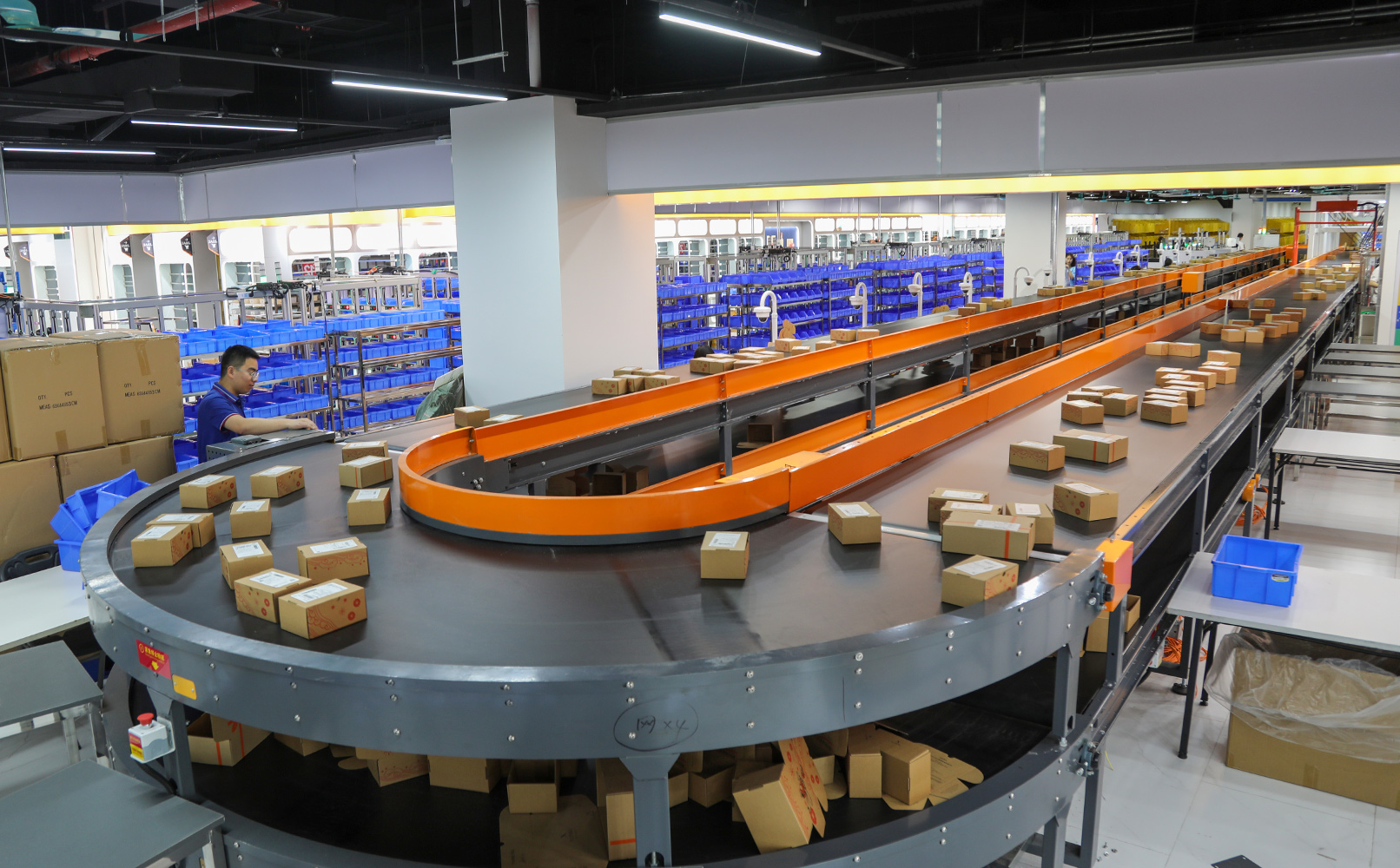
Next step: request a sample or a project quote in the upgraded alloy specification. Contact Niki at wlwf@xuping.com.cn or +86 139-2505-0911 (WhatsApp available), or start from xupingjewelry.com. Address: 4th Floor, No. 28, Zhanqian Street, Zhanqian Road, Liwan District, Guangzhou, China.
Have Questions or Need More Details?
Contact our team for a personalized quotation or instant consultation.
Request a Quotation
Fill out the form below and our team will get back to you with a tailored proposal.
WhatsApp Direct Chat
Prefer to chat in real-time? Message us on WhatsApp for instant assistance & quick answers.
- Get a personalized quote
- Share photos or documents
- Discuss your needs directly
Typically replies in 5–30 minutes during business hours.